Word Explanation
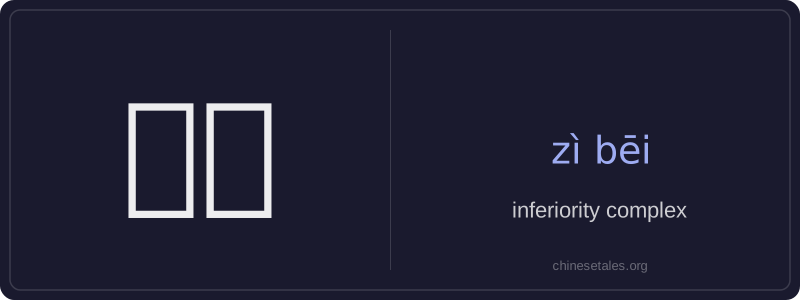
自卑 (zì bēi) literally means 'self-low' — 自 (zì) means 'self', and 卑 (bēi) means 'low', 'humble', or 'inferior'. Together, they form a noun describing a persistent feeling of inadequacy, unworthiness, or being fundamentally lesser than others. It goes beyond temporary self-doubt and often reflects deep-seated beliefs about one’s abilities, appearance, social status, or worth.
This term is commonly used in psychological, educational, and everyday social contexts — for example, when discussing mental health, parenting, workplace dynamics, or adolescent development. While it shares roots with humility (谦逊 qiānxùn), 自卑 carries a negative connotation: it implies unhealthy self-devaluation rather than respectful modesty. It's frequently contrasted with 自信 (zìxìn, 'self-confidence') and is often addressed in counseling or self-improvement discussions in Chinese-speaking communities.
Example Sentences
Related Words
国语
‘Guó yǔ’ literally means 'national language'—
无论谁
‘无论谁’ (wú lùn shéi) is a pronoun meaning
外语
‘外语’ literally means ‘outside language’ —
不对
不对 (bù duì) literally combines 不 (bù), meani
我的
我的 (wǒ de) is a possessive pronoun meaning 'my'
违规
违规 (wéi guī) literally means 'to violate rules
亲笔
‘亲笔’ literally means ‘one’s own hand’—comb
面条
‘面条’ (miàn tiáo) literally means ‘flour str