Word Explanation
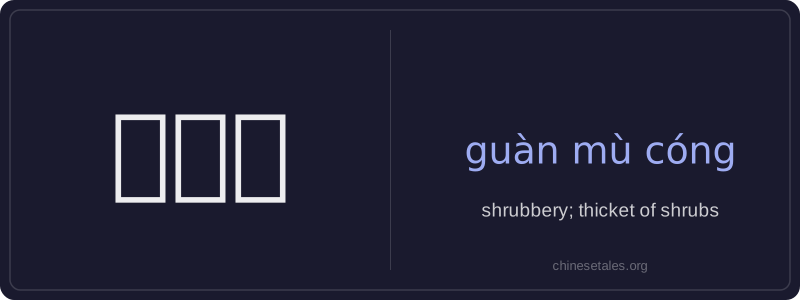
灌木丛 (guàn mù cóng) literally combines three characters: 灌 (guàn), meaning 'to irrigate' or 'to pour', but here functions as a phonetic component; 木 (mù), meaning 'tree' or 'wood', indicating plant life; and 丛 (cóng), meaning 'thicket', 'cluster', or 'dense growth'. Together, the term refers specifically to a dense, low-growing group of shrubs — woody plants shorter than trees and typically with multiple stems. It emphasizes natural, unmanaged vegetation rather than cultivated hedges or individual bushes.
This word is commonly used in ecological, geographical, and descriptive contexts — for example, when describing habitats, hiking trails, or landscape features. Unlike 单株灌木 (a single shrub), 灌木丛 implies collective density and wildness. It often appears in nature writing, environmental reports, and outdoor guides, and carries a neutral-to-positive connotation of natural abundance and shelter for wildlife.
Example Sentences
Related Words
国语
‘Guó yǔ’ literally means 'national language'—
无论谁
‘无论谁’ (wú lùn shéi) is a pronoun meaning
外语
‘外语’ literally means ‘outside language’ —
不对
不对 (bù duì) literally combines 不 (bù), meani
我的
我的 (wǒ de) is a possessive pronoun meaning 'my'
违规
违规 (wéi guī) literally means 'to violate rules
亲笔
‘亲笔’ literally means ‘one’s own hand’—comb
面条
‘面条’ (miàn tiáo) literally means ‘flour str