Word Explanation
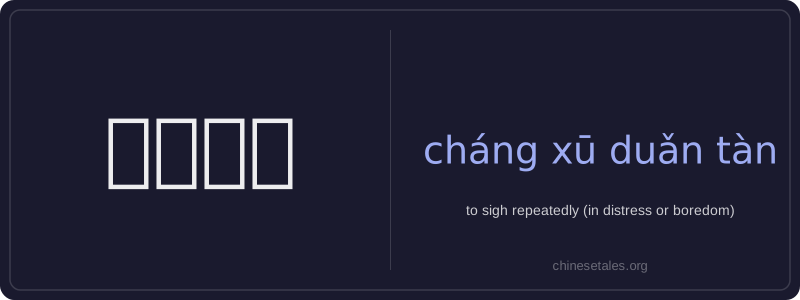
‘Cháng xū duǎn tàn’ literally means ‘long sighs and short sighs’—a vivid idiom describing repeated, audible sighing that expresses inner distress, frustration, helplessness, or deep boredom. The word combines two parallel pairs: ‘cháng xū’ (long sigh) and ‘duǎn tàn’ (short sigh), emphasizing the irregular, involuntary rhythm of emotional release. Though the characters suggest physical breathing, the phrase is purely figurative and always conveys psychological weight—not physical exertion.
This idiom is commonly used in descriptive writing and spoken Chinese to portray someone overwhelmed by worry, disappointment, or monotony—often with a slightly literary or empathetic tone. It’s more expressive than simple ‘tàn qì’ (to sigh) and implies sustained emotional strain rather than a single momentary reaction. You’ll hear it in novels, dramas, and everyday commentary about life’s frustrations—especially when someone feels powerless to change their situation.
Example Sentences
Related Words
国语
‘Guó yǔ’ literally means 'national language'—
无论谁
‘无论谁’ (wú lùn shéi) is a pronoun meaning
外语
‘外语’ literally means ‘outside language’ —
不对
不对 (bù duì) literally combines 不 (bù), meani
我的
我的 (wǒ de) is a possessive pronoun meaning 'my'
违规
违规 (wéi guī) literally means 'to violate rules
亲笔
‘亲笔’ literally means ‘one’s own hand’—comb
面条
‘面条’ (miàn tiáo) literally means ‘flour str