Word Explanation
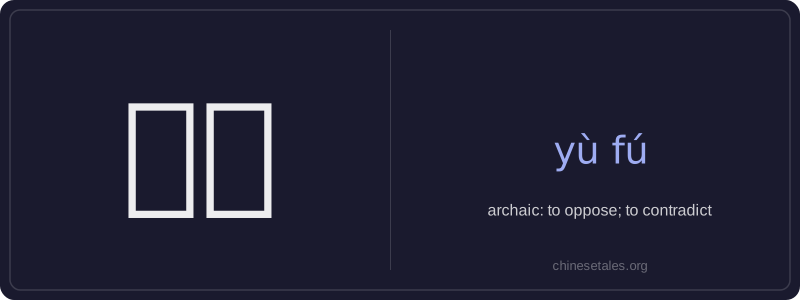
吁咈 (yù fú) is an archaic literary compound verb meaning 'to oppose' or 'to contradict', often used in classical Chinese texts to describe open, principled resistance—especially by ministers or advisors toward a ruler’s improper proposal. The character 吁 originally conveys a sharp exclamation or urgent appeal, while 咈 means 'to reject' or 'to disapprove'; together, they intensify the sense of vocal, resolute dissent.
This term appears almost exclusively in historical, philosophical, or governmental contexts—such as records of court debates in dynastic histories (e.g., the Book of Documents). It carries strong connotations of moral courage and duty, not casual disagreement. Modern Mandarin rarely uses 吁咈 in speech or writing; learners will encounter it mainly in classical reading passages or scholarly discussions of Confucian political ethics.
Example Sentences
Related Words
国语
‘Guó yǔ’ literally means 'national language'—
无论谁
‘无论谁’ (wú lùn shéi) is a pronoun meaning
外语
‘外语’ literally means ‘outside language’ —
不对
不对 (bù duì) literally combines 不 (bù), meani
我的
我的 (wǒ de) is a possessive pronoun meaning 'my'
违规
违规 (wéi guī) literally means 'to violate rules
亲笔
‘亲笔’ literally means ‘one’s own hand’—comb
面条
‘面条’ (miàn tiáo) literally means ‘flour str