Word Explanation
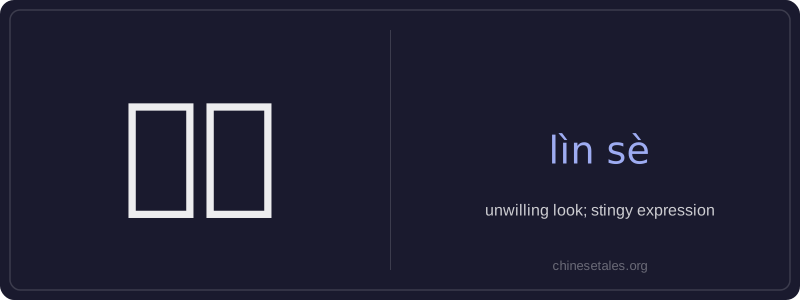
‘吝色’ literally combines 吝 (lìn), meaning 'stingy' or 'grudging', and 色 (sè), meaning 'expression' or 'facial color'. Together, it describes a visible, unwilling facial expression — often a tight-lipped frown, narrowed eyes, or tense jaw — that signals reluctance, especially when asked to give, share, or help. It’s not about physical stinginess alone, but the unmistakable look of emotional or material resistance.
This noun is used mostly in written or formal spoken Chinese, often in descriptions of someone’s reaction in social or moral contexts — for example, when refusing a request, parting with money, or yielding to pressure. While not archaic, it carries a slightly literary or critical tone, implying disapproval of the person’s attitude. It’s rarely used in casual speech among friends but appears frequently in essays, news reports, and literature depicting moral dilemmas or interpersonal tension.
Example Sentences
Related Words
国语
‘Guó yǔ’ literally means 'national language'—
无论谁
‘无论谁’ (wú lùn shéi) is a pronoun meaning
外语
‘外语’ literally means ‘outside language’ —
不对
不对 (bù duì) literally combines 不 (bù), meani
我的
我的 (wǒ de) is a possessive pronoun meaning 'my'
违规
违规 (wéi guī) literally means 'to violate rules
亲笔
‘亲笔’ literally means ‘one’s own hand’—comb
面条
‘面条’ (miàn tiáo) literally means ‘flour str