Word Explanation
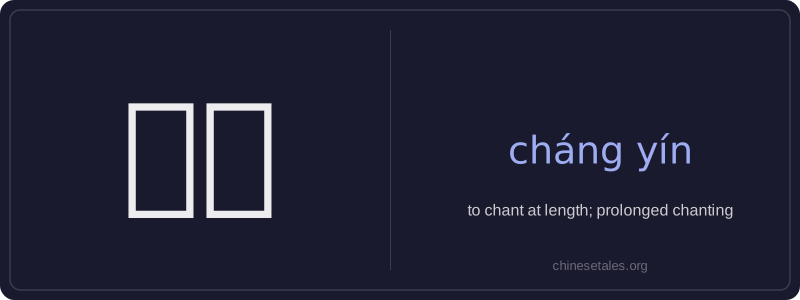
长吟 (cháng yín) literally combines 长 (cháng), meaning 'long' or 'prolonged', and 吟 (yín), meaning 'to chant', 'to recite poetically', or 'to hum melodiously'. Together, it describes the act of chanting or singing in a sustained, drawn-out, often expressive or mournful manner — not merely speaking at length, but doing so with rhythmic, vocal emphasis and emotional resonance. It frequently appears in classical and literary Chinese to depict the haunting calls of animals (especially cranes, tigers, or monkeys) or the melancholy recitations of poets.
This term carries an elevated, poetic register and is rarely used in casual modern speech. It evokes stillness, solitude, and natural grandeur — think of a lone crane calling across misty mountains at dusk, or an elderly scholar reciting Tang poetry under moonlight. While 吟 alone can be neutral or artistic, adding 长 intensifies the duration and emotional weight, suggesting introspection, lament, or awe rather than mere volume or repetition.
Example Sentences
Related Words
国语
‘Guó yǔ’ literally means 'national language'—
无论谁
‘无论谁’ (wú lùn shéi) is a pronoun meaning
外语
‘外语’ literally means ‘outside language’ —
不对
不对 (bù duì) literally combines 不 (bù), meani
我的
我的 (wǒ de) is a possessive pronoun meaning 'my'
违规
违规 (wéi guī) literally means 'to violate rules
亲笔
‘亲笔’ literally means ‘one’s own hand’—comb
面条
‘面条’ (miàn tiáo) literally means ‘flour str