Word Explanation
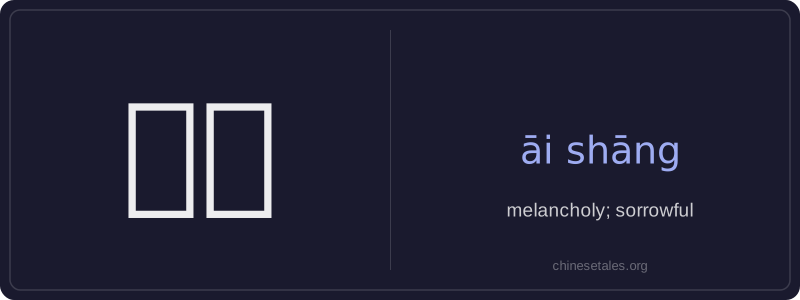
Āi shāng is a compound word formed from two characters, each carrying emotional weight: 哀 (āi) means 'grief' or 'lamentation', often associated with deep mourning, while 伤 (shāng) means 'hurt' or 'wound', extending metaphorically to emotional pain. Together, they express a profound, quiet sorrow — not sudden or explosive, but lingering and reflective, like the mood after a personal loss or during a somber season.
This word is commonly used in literary, poetic, or formal contexts — in novels, songs, obituaries, or thoughtful speech — rather than casual conversation. It conveys dignity and restraint; it’s more refined than simpler words like 难过 (nánguò) or 悲伤 (bēishāng). While it can function as a noun ('a feeling of melancholy') or an adjective ('sorrowful'), it rarely appears in colloquial exclamations or imperative structures.
Example Sentences
Related Words
国语
‘Guó yǔ’ literally means 'national language'—
无论谁
‘无论谁’ (wú lùn shéi) is a pronoun meaning
外语
‘外语’ literally means ‘outside language’ —
不对
不对 (bù duì) literally combines 不 (bù), meani
我的
我的 (wǒ de) is a possessive pronoun meaning 'my'
违规
违规 (wéi guī) literally means 'to violate rules
亲笔
‘亲笔’ literally means ‘one’s own hand’—comb
面条
‘面条’ (miàn tiáo) literally means ‘flour str