Word Explanation
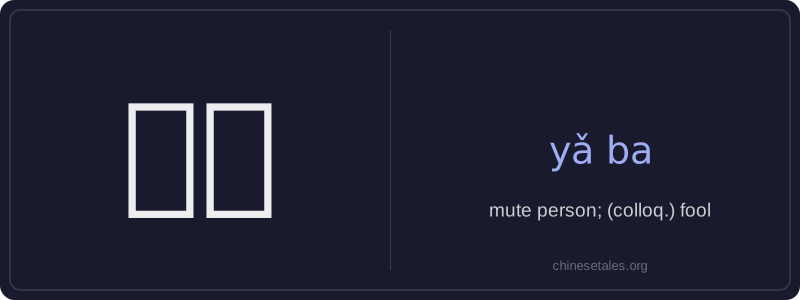
‘哑巴’ literally combines 哑 (yǎ, 'mute' or 'unable to speak') and 巴 (ba, a common noun suffix with no independent meaning, often used in colloquial terms for people or animals). Together, it primarily means 'a mute person' — someone who cannot speak, usually due to congenital or acquired physical conditions affecting speech. Historically, it carried medical and descriptive weight, but today it’s considered outdated and potentially offensive in formal or compassionate contexts.
In informal spoken Chinese, ‘哑巴’ is also used figuratively and pejoratively to call someone a 'fool' or 'idiot', especially when they act foolishly or fail to speak up when expected — e.g., staying silent during an argument. This usage is highly colloquial and impolite; learners should avoid it except when recognizing it in dialogue or media. The term reflects cultural associations between silence and lack of intelligence, though modern usage increasingly favors respectful alternatives like ‘言语障碍者’ (person with speech impairment).
Example Sentences
Related Words
国语
‘Guó yǔ’ literally means 'national language'—
无论谁
‘无论谁’ (wú lùn shéi) is a pronoun meaning
外语
‘外语’ literally means ‘outside language’ —
不对
不对 (bù duì) literally combines 不 (bù), meani
我的
我的 (wǒ de) is a possessive pronoun meaning 'my'
违规
违规 (wéi guī) literally means 'to violate rules
亲笔
‘亲笔’ literally means ‘one’s own hand’—comb
面条
‘面条’ (miàn tiáo) literally means ‘flour str