Word Explanation
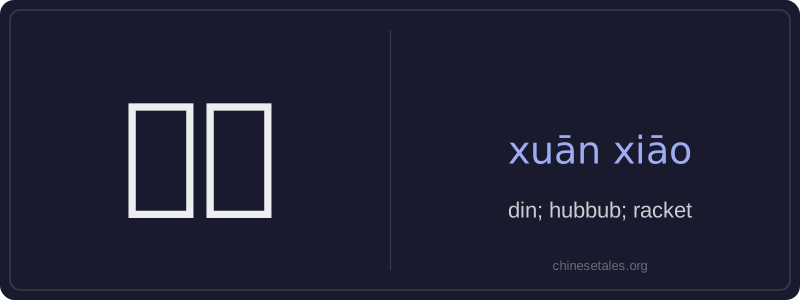
喧嚣 (xuān xiāo) is a literary and slightly formal noun meaning 'din,' 'hubbub,' or 'racket' — the loud, chaotic noise of crowds, traffic, or activity. The first character 喧 means 'noisy' or 'boisterous,' often describing human voices or clamor; the second character 嚣 originally depicted multiple mouths (口) around a dog (犬), symbolizing uproar and commotion. Together, they intensify the sense of overwhelming, disordered sound — not just volume, but also the feeling of agitation or sensory overload.
This word is commonly used to describe urban environments (e.g., city streets, markets, construction sites), contrasting with quiet or natural settings. It frequently appears in descriptive writing, essays, and media commentary to evoke tension, modernity, or stress. While it can refer to physical noise, it sometimes carries a subtle emotional or metaphorical weight — suggesting restlessness, distraction, or the loss of tranquility. It’s rarely used in casual speech but is frequent in written Chinese and formal spoken contexts like news reports or literature.
Example Sentences
Related Words
国语
‘Guó yǔ’ literally means 'national language'—
无论谁
‘无论谁’ (wú lùn shéi) is a pronoun meaning
外语
‘外语’ literally means ‘outside language’ —
不对
不对 (bù duì) literally combines 不 (bù), meani
我的
我的 (wǒ de) is a possessive pronoun meaning 'my'
违规
违规 (wéi guī) literally means 'to violate rules
亲笔
‘亲笔’ literally means ‘one’s own hand’—comb
面条
‘面条’ (miàn tiáo) literally means ‘flour str