Word Explanation
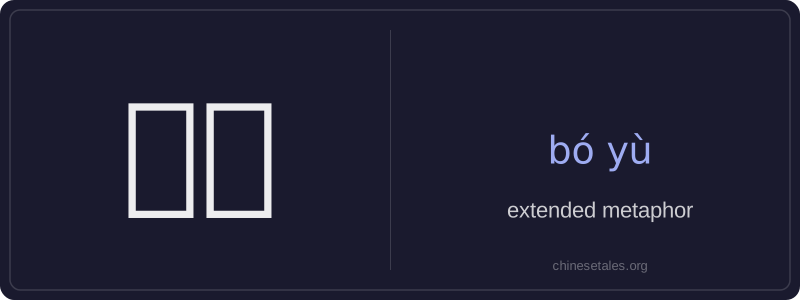
‘博喻’ is a rhetorical device in classical and modern Chinese literature where a single subject is compared to multiple, often diverse, things—creating a rich, layered metaphor. The character 博 (bó) means 'broad', 'extensive', or 'comprehensive', while 喻 (yù) means 'to compare' or 'metaphor'. Together, they literally mean 'broad comparison', reflecting the technique’s defining feature: using several vivid, parallel analogies to deepen understanding or emotional impact.
This device appears frequently in poetry, essays, and political speeches—especially when describing complex ideas like virtue, time, or national spirit. It differs from simple metaphor by its multiplicity and intentional accumulation of images; for example, comparing courage not just to a sword, but to a mountain, a roaring river, and an unbroken jade tablet. Though rooted in classical texts, 博喻 remains alive in modern literary and rhetorical contexts, valued for its expressive power and cultural resonance.
Example Sentences
Related Words
国语
‘Guó yǔ’ literally means 'national language'—
无论谁
‘无论谁’ (wú lùn shéi) is a pronoun meaning
外语
‘外语’ literally means ‘outside language’ —
不对
不对 (bù duì) literally combines 不 (bù), meani
我的
我的 (wǒ de) is a possessive pronoun meaning 'my'
违规
违规 (wéi guī) literally means 'to violate rules
亲笔
‘亲笔’ literally means ‘one’s own hand’—comb
面条
‘面条’ (miàn tiáo) literally means ‘flour str