Word Explanation
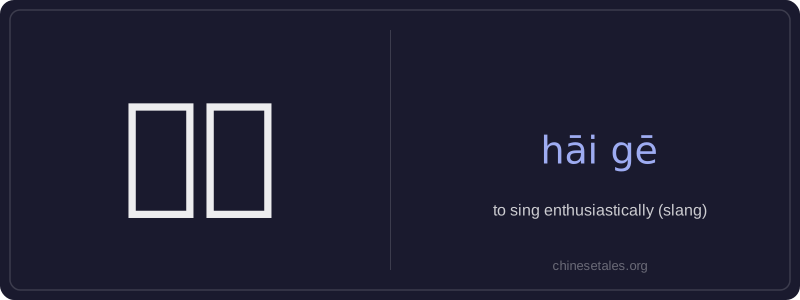
'Hi gē' (嗨歌) is slangy, informal Chinese that literally combines 'hāi' — a phonetic borrowing from English 'high', meaning excited or energized — and 'gē' (song). Together, it means to sing enthusiastically, often loudly, joyfully, or with abandon, typically in social settings like karaoke, parties, or concerts. It emphasizes emotional release and shared energy rather than vocal skill.
The term reflects youth-oriented internet and pop-culture language, especially common among young adults and on social media. While 'hāi' alone can mean 'to get hyped up', adding 'gē' specifies the activity: singing as an expressive, cathartic act. It's rarely used in formal writing or speech and carries a playful, colloquial tone — think of belting out your favorite song with friends after a few drinks or dancing while singing at a live show.
Example Sentences
Related Words
国语
‘Guó yǔ’ literally means 'national language'—
无论谁
‘无论谁’ (wú lùn shéi) is a pronoun meaning
外语
‘外语’ literally means ‘outside language’ —
不对
不对 (bù duì) literally combines 不 (bù), meani
我的
我的 (wǒ de) is a possessive pronoun meaning 'my'
违规
违规 (wéi guī) literally means 'to violate rules
亲笔
‘亲笔’ literally means ‘one’s own hand’—comb
面条
‘面条’ (miàn tiáo) literally means ‘flour str