Word Explanation
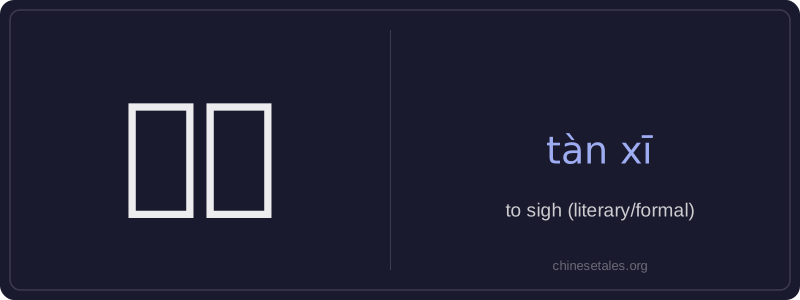
‘叹息’ is a formal or literary verb meaning 'to sigh' — to exhale audibly, often expressing sadness, disappointment, weariness, or deep reflection. The first character 叹 (tàn) means 'to exclaim' or 'to lament', while 息 (xī) means 'breath' or 'to breathe'. Together, they literally evoke the image of a heavy, breath-filled exclamation — not just a physical sigh, but one charged with feeling and intention. It appears frequently in written Chinese, classical poetry, novels, and formal speech, less so in casual daily conversation.
This word carries emotional weight and often implies a sense of resignation, sorrow, or quiet contemplation rather than fleeting frustration. It may accompany gestures like bowing the head or pausing thoughtfully. Unlike colloquial alternatives like 唉 (āi) or 啧 (zé), 叹息 conveys depth and gravity — think of someone sighing after hearing tragic news or gazing at an abandoned home. It can also be used reflexively (e.g., 叹息一声) or as a noun ('a sigh'), though its verbal use is primary.
Example Sentences
Related Words
国语
‘Guó yǔ’ literally means 'national language'—
无论谁
‘无论谁’ (wú lùn shéi) is a pronoun meaning
外语
‘外语’ literally means ‘outside language’ —
不对
不对 (bù duì) literally combines 不 (bù), meani
我的
我的 (wǒ de) is a possessive pronoun meaning 'my'
违规
违规 (wéi guī) literally means 'to violate rules
亲笔
‘亲笔’ literally means ‘one’s own hand’—comb
面条
‘面条’ (miàn tiáo) literally means ‘flour str