Word Explanation
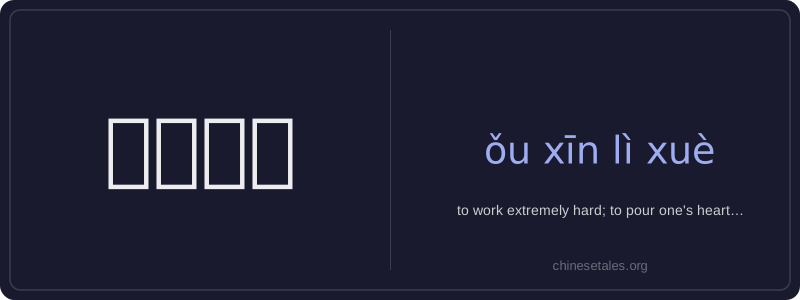
‘呕心沥血’ is a vivid, literary idiom meaning to work with extraordinary dedication and sacrifice—so intensely that one seems to vomit one’s heart and strain out one’s blood. Literally, 呕 (to vomit), 心 (heart), 沥 (to drip or strain out), and 血 (blood) combine to evoke extreme physical and emotional effort. Though graphic, it’s not used literally; instead, it emphasizes profound commitment, often over long periods, in creative, academic, or professional pursuits.
This phrase carries strong positive connotations of selfless devotion and perseverance. It frequently appears in formal writing, speeches, or respectful descriptions of artists, scholars, teachers, or leaders who have devoted their lives to a cause or craft. Because of its intensity and classical flavor, it’s rarely used in casual conversation and is more common in written or elevated spoken Chinese, such as news reports or commemorative remarks.
Example Sentences
Related Words
国语
‘Guó yǔ’ literally means 'national language'—
无论谁
‘无论谁’ (wú lùn shéi) is a pronoun meaning
外语
‘外语’ literally means ‘outside language’ —
不对
不对 (bù duì) literally combines 不 (bù), meani
我的
我的 (wǒ de) is a possessive pronoun meaning 'my'
违规
违规 (wéi guī) literally means 'to violate rules
亲笔
‘亲笔’ literally means ‘one’s own hand’—comb
面条
‘面条’ (miàn tiáo) literally means ‘flour str