Word Explanation
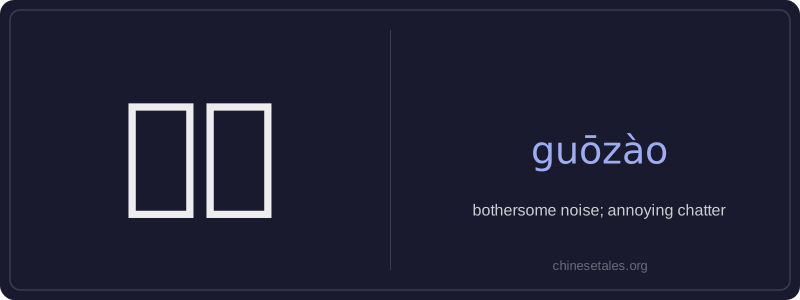
聒噪 (guōzào) is an adjective describing persistent, grating noise—especially repetitive, loud, or senseless chatter or sound that’s hard to ignore and causes irritation. The character 聒 (guō) means 'to chatter noisily' or 'to disturb with sound', often associated with birds or insects; 噪 (zào) means 'noise' or 'clamor'. Together, they intensify the idea of unbearable auditory disturbance—not just volume, but the quality of being intrusive and tiresome. It’s commonly used for sounds that feel inescapable: cicadas on a summer afternoon, squabbling magpies, or a group of people talking over each other without pause.
While it can describe human speech, 聒噪 carries a distinctly negative, almost visceral judgment—it implies the noise isn’t just loud, but pointless and exhausting. It’s more literary than colloquial, appearing frequently in classical poetry and modern descriptive writing, especially when evoking natural settings where animal sounds dominate. You’ll rarely hear it in casual conversation; instead, it appears in narratives, essays, or critiques where tone and atmosphere matter.
Example Sentences
Related Words
国语
‘Guó yǔ’ literally means 'national language'—
无论谁
‘无论谁’ (wú lùn shéi) is a pronoun meaning
外语
‘外语’ literally means ‘outside language’ —
不对
不对 (bù duì) literally combines 不 (bù), meani
我的
我的 (wǒ de) is a possessive pronoun meaning 'my'
违规
违规 (wéi guī) literally means 'to violate rules
亲笔
‘亲笔’ literally means ‘one’s own hand’—comb
面条
‘面条’ (miàn tiáo) literally means ‘flour str