Word Explanation
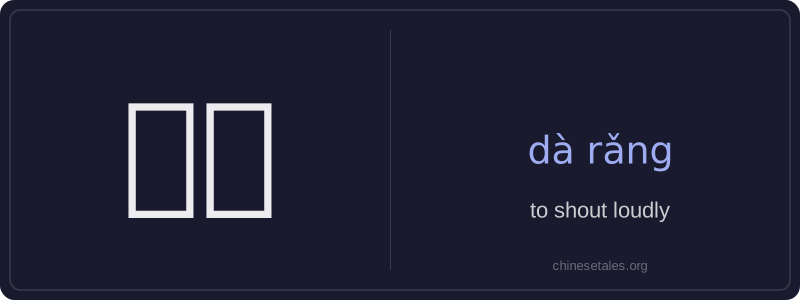
‘大嚷’ is a verb meaning 'to shout loudly' or 'to cry out noisily', emphasizing both volume and emotional intensity. The first character, 大 (dà), means 'big' or 'loud', modifying the action of the second character, 嚷 (rǎng), which on its own means 'to shout' or 'to clamor'. Together, they form an intensified, colloquial compound that conveys urgency, anger, surprise, or excitement — not just speaking loudly, but doing so with noticeable emotion and energy. It’s commonly used in spoken Chinese and narrative writing to depict vivid, spontaneous vocal reactions.
This word typically appears in contexts involving interpersonal conflict, panic, protest, or enthusiastic expression — for example, when someone is arguing, warning others, or reacting strongly to unexpected news. It’s rarely used in formal writing or polite conversation, as it carries a slightly rough or uncontrolled connotation. Unlike neutral terms like ‘说话’ (to speak) or even ‘喊’ (to call/shout), ‘大嚷’ implies loss of composure or deliberate emphasis through volume and tone.
Example Sentences
Related Words
国语
‘Guó yǔ’ literally means 'national language'—
无论谁
‘无论谁’ (wú lùn shéi) is a pronoun meaning
外语
‘外语’ literally means ‘outside language’ —
不对
不对 (bù duì) literally combines 不 (bù), meani
我的
我的 (wǒ de) is a possessive pronoun meaning 'my'
违规
违规 (wéi guī) literally means 'to violate rules
亲笔
‘亲笔’ literally means ‘one’s own hand’—comb
面条
‘面条’ (miàn tiáo) literally means ‘flour str