Word Explanation
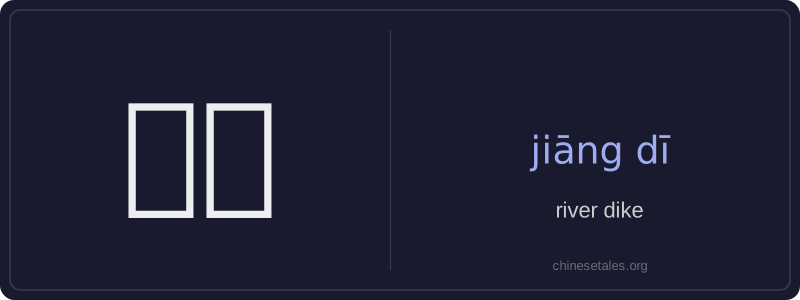
‘Jiāng dī’ literally combines ‘jiāng’ (river) and ‘dī’ (dike or embankment), meaning a man-made structure built along a riverbank to prevent flooding during high water or heavy rains. It is typically constructed from earth, stone, or concrete and plays a vital role in flood control and protecting nearby communities, farmland, and infrastructure.
This term is commonly used in geographical, engineering, and disaster-preparedness contexts — especially in regions prone to seasonal flooding, such as the Yangtze and Yellow River basins. While ‘dī’ alone can refer to any type of dike or levee, adding ‘jiāng’ specifies it is river-related. The word carries a neutral, technical tone and appears frequently in news reports, government bulletins, and environmental discussions.
Example Sentences
Related Words
国语
‘Guó yǔ’ literally means 'national language'—
无论谁
‘无论谁’ (wú lùn shéi) is a pronoun meaning
外语
‘外语’ literally means ‘outside language’ —
不对
不对 (bù duì) literally combines 不 (bù), meani
我的
我的 (wǒ de) is a possessive pronoun meaning 'my'
违规
违规 (wéi guī) literally means 'to violate rules
亲笔
‘亲笔’ literally means ‘one’s own hand’—comb
面条
‘面条’ (miàn tiáo) literally means ‘flour str