Word Explanation
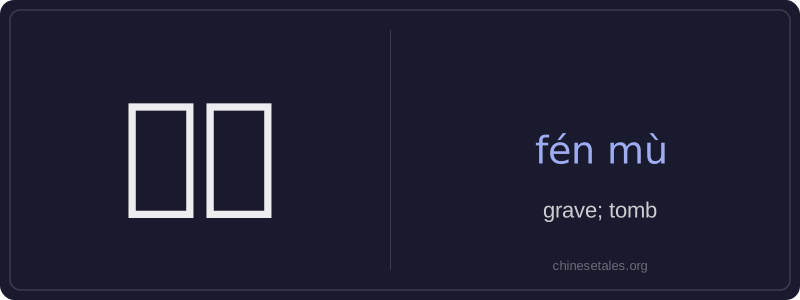
‘坟墓’ (fén mù) is a compound noun meaning ‘grave’ or ‘tomb’—a place where a deceased person is buried. The first character 坟 (fén) originally referred to an earthen mound built over a burial site, while 墓 (mù) denotes a more formal, often enclosed burial place, sometimes with inscriptions or structures. Together, they form a standard, neutral term for a burial site in modern Chinese, used in both everyday speech and formal contexts like historical descriptions or news reports.
The word carries cultural weight in China, reflecting traditional reverence for ancestors and the importance of proper burial rites. It appears frequently in literature, travel writing about historical sites (e.g., imperial tombs), and discussions of funeral customs. While not inherently emotional or taboo, it’s generally used with respect and restraint—avoided in casual or lighthearted conversation unless contextually appropriate (e.g., studying history or visiting a cemetery).
Example Sentences
Related Words
国语
‘Guó yǔ’ literally means 'national language'—
无论谁
‘无论谁’ (wú lùn shéi) is a pronoun meaning
外语
‘外语’ literally means ‘outside language’ —
不对
不对 (bù duì) literally combines 不 (bù), meani
我的
我的 (wǒ de) is a possessive pronoun meaning 'my'
违规
违规 (wéi guī) literally means 'to violate rules
亲笔
‘亲笔’ literally means ‘one’s own hand’—comb
面条
‘面条’ (miàn tiáo) literally means ‘flour str