Word Explanation
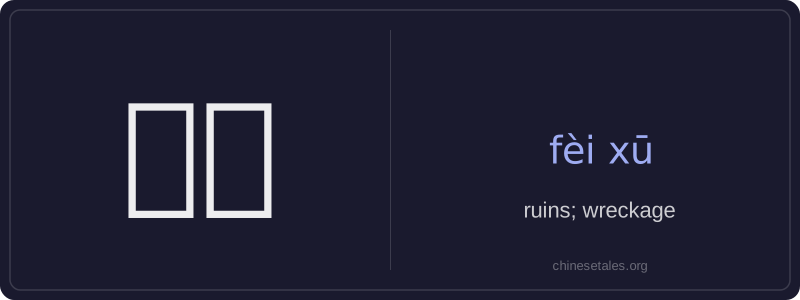
废墟 (fèi xū) literally combines 废 (fèi), meaning 'abandoned', 'discarded', or 'useless', and 墟 (xū), meaning 'ruined site' or 'deserted settlement'. Together, they refer to the physical remains of buildings, cities, or structures destroyed by war, natural disasters, or long-term neglect — such as collapsed walls, broken columns, or overgrown foundations. It carries a strong visual and emotional connotation of loss, history, and time’s passage.
This word is commonly used in historical, journalistic, and literary contexts — for example, describing ancient archaeological sites like the ruins of Pompeii, post-earthquake landscapes in Sichuan, or wartime destruction in Nanjing. Unlike more neutral terms like 遗址 (yízhǐ, 'archaeological site'), 废墟 emphasizes decay and desolation rather than preservation or academic interest. It is rarely used for minor damage or temporary demolition — the sense of profound, often tragic, abandonment is essential.
Example Sentences
Related Words
国语
‘Guó yǔ’ literally means 'national language'—
无论谁
‘无论谁’ (wú lùn shéi) is a pronoun meaning
外语
‘外语’ literally means ‘outside language’ —
不对
不对 (bù duì) literally combines 不 (bù), meani
我的
我的 (wǒ de) is a possessive pronoun meaning 'my'
违规
违规 (wéi guī) literally means 'to violate rules
亲笔
‘亲笔’ literally means ‘one’s own hand’—comb
面条
‘面条’ (miàn tiáo) literally means ‘flour str