Word Explanation
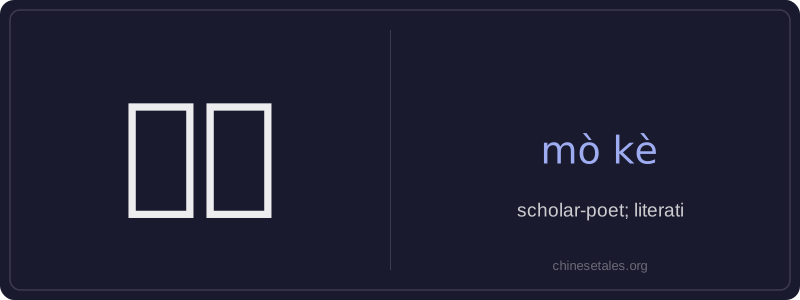
‘墨客’ (mò kè) literally combines ‘墨’ (mò), meaning ‘ink’, and ‘客’ (kè), meaning ‘guest’ or ‘person’. Together, it evokes the image of a person who lives with ink — that is, a scholar or poet devoted to writing, calligraphy, and classical literature. Historically, it referred to educated literati in imperial China who composed poetry, wrote essays, and practiced brush calligraphy as expressions of cultivation and moral refinement.
Though somewhat literary and formal today, ‘墨客’ is still used in modern Chinese to describe writers, poets, or intellectuals who embody traditional scholarly values — especially those who write with elegance and depth. It carries a respectful, slightly nostalgic tone and appears frequently in essays, cultural commentary, and historical fiction. Unlike neutral terms like ‘作家’ (writer), ‘墨客’ emphasizes artistic sensibility, classical training, and quiet dedication rather than professional status or commercial output.
Example Sentences
Related Words
国语
‘Guó yǔ’ literally means 'national language'—
无论谁
‘无论谁’ (wú lùn shéi) is a pronoun meaning
外语
‘外语’ literally means ‘outside language’ —
不对
不对 (bù duì) literally combines 不 (bù), meani
我的
我的 (wǒ de) is a possessive pronoun meaning 'my'
违规
违规 (wéi guī) literally means 'to violate rules
亲笔
‘亲笔’ literally means ‘one’s own hand’—comb
面条
‘面条’ (miàn tiáo) literally means ‘flour str