Word Explanation
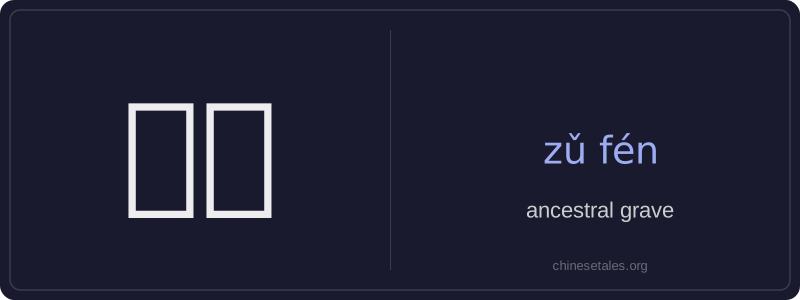
‘祖坟’ literally means ‘ancestor’s grave’ — ‘祖’ (zǔ) means ‘ancestor’ or ‘forefather’, and ‘坟’ (fén) means ‘grave’ or ‘tomb’. Together, it refers specifically to the burial site of one’s paternal ancestors, especially those from several generations back. In traditional Chinese culture, ancestral graves are considered sacred places tied to family lineage, filial piety, and feng shui beliefs; their location and condition are thought to influence the fortune and well-being of descendants.
The term carries strong cultural and emotional weight, often appearing in discussions about family history, inheritance disputes, relocation due to development, or Qingming Festival tomb-sweeping rituals. It is not used for recently deceased relatives — those would typically be referred to as ‘墓’ (mù) or ‘坟墓’ (fénmù). ‘祖坟’ implies historical depth, collective memory, and intergenerational continuity, making it more formal and culturally resonant than generic terms for graves.
Example Sentences
Related Words
国语
‘Guó yǔ’ literally means 'national language'—
无论谁
‘无论谁’ (wú lùn shéi) is a pronoun meaning
外语
‘外语’ literally means ‘outside language’ —
不对
不对 (bù duì) literally combines 不 (bù), meani
我的
我的 (wǒ de) is a possessive pronoun meaning 'my'
违规
违规 (wéi guī) literally means 'to violate rules
亲笔
‘亲笔’ literally means ‘one’s own hand’—comb
面条
‘面条’ (miàn tiáo) literally means ‘flour str