Word Explanation
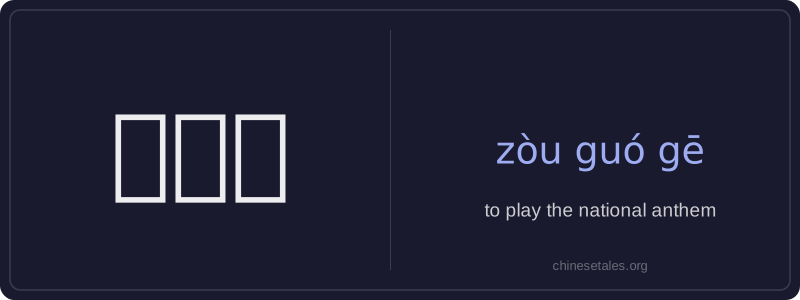
'Zòu guó gē' literally means 'to play the national anthem' — 'zòu' means 'to perform (music)', 'guó' means 'nation', and 'gē' means 'song'. Together, the term specifically refers to the formal, ceremonial act of performing the national anthem, usually on official occasions such as state ceremonies, international sports events, or school flag-raising rituals. It is not used for casual singing or listening; it implies a structured, respectful musical performance, often by an orchestra, band, or designated performers.
This phrase carries strong connotations of patriotism, solemnity, and protocol. It appears frequently in news reports about diplomatic events, Olympic medal ceremonies, and national holidays. While 'guó gē' alone means 'national anthem' (a noun), adding 'zòu' turns it into a verb phrase indicating the active, official performance of that anthem — never 'singing' it casually. The verb 'zòu' distinguishes this from other verbs like 'chàng' (to sing), which would be inappropriate in formal contexts unless specified as 'chàng guó gē' (to sing the national anthem) — a less formal or ceremonial usage.
Example Sentences
Related Words
国语
‘Guó yǔ’ literally means 'national language'—
无论谁
‘无论谁’ (wú lùn shéi) is a pronoun meaning
外语
‘外语’ literally means ‘outside language’ —
不对
不对 (bù duì) literally combines 不 (bù), meani
我的
我的 (wǒ de) is a possessive pronoun meaning 'my'
违规
违规 (wéi guī) literally means 'to violate rules
亲笔
‘亲笔’ literally means ‘one’s own hand’—comb
面条
‘面条’ (miàn tiáo) literally means ‘flour str