Word Explanation
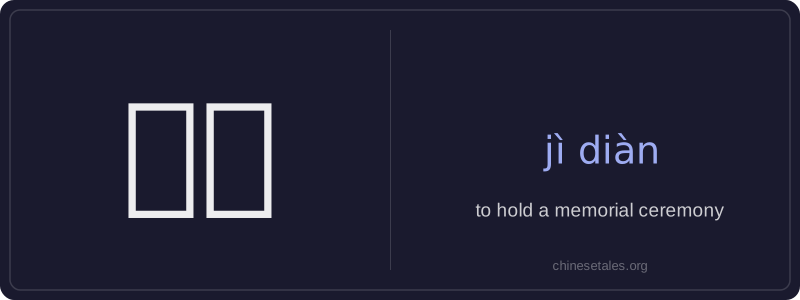
祭奠 (jì diàn) is a formal verb meaning 'to hold a memorial ceremony'—typically for someone who has died. The character 祭 (jì) means 'to offer sacrifices or perform rites', historically linked to ancestral worship and religious rituals; 奠 (diàn) means 'to lay down offerings' or 'to establish in solemnity', often used specifically in funerary contexts. Together, 祭奠 emphasizes respectful, ritualized remembrance—not just mourning, but active commemoration through offerings, bowing, incense, or speeches.
This word is used almost exclusively in solemn, respectful settings: at funerals, grave visits on Qingming Festival, or commemorations of historical figures or disaster victims. It carries deep cultural weight in Chinese tradition, reflecting Confucian values of filial piety and reverence for the deceased. Unlike casual terms like 悼念 (dào niàn), 祭奠 implies structured ritual and collective participation, often led by family elders or community representatives.
Example Sentences
Related Words
国语
‘Guó yǔ’ literally means 'national language'—
无论谁
‘无论谁’ (wú lùn shéi) is a pronoun meaning
外语
‘外语’ literally means ‘outside language’ —
不对
不对 (bù duì) literally combines 不 (bù), meani
我的
我的 (wǒ de) is a possessive pronoun meaning 'my'
违规
违规 (wéi guī) literally means 'to violate rules
亲笔
‘亲笔’ literally means ‘one’s own hand’—comb
面条
‘面条’ (miàn tiáo) literally means ‘flour str