Word Explanation
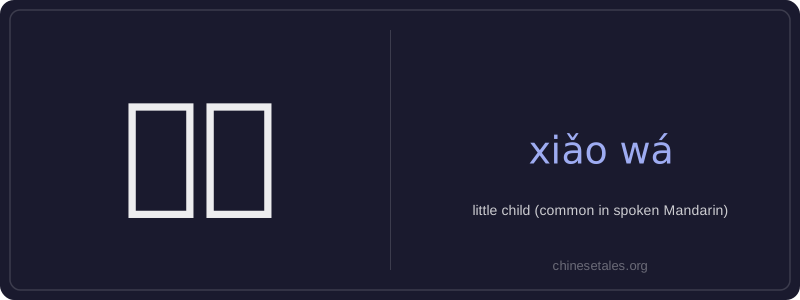
‘小娃’ (xiǎo wá) literally combines ‘xiǎo’ (small, little) and ‘wá’ (child, baby), forming an affectionate, colloquial term for a young child—typically under age 6–7. It carries warmth and familiarity, often used by adults speaking to or about toddlers and preschoolers. Unlike formal terms like ‘儿童’ (értóng) or bureaucratic ‘未成年人’ (wèi chéngnián rén), ‘小娃’ appears frequently in everyday speech, storytelling, nursery rhymes, and casual family conversation.
The word is rarely used in writing outside dialogue or informal contexts; it’s seldom applied to older children or teenagers. While ‘娃’ alone can mean ‘child’ in some dialects or fixed expressions (e.g., ‘女娃’ nǚ wá for ‘girl’), adding ‘小’ intensifies the sense of youthfulness and endearment. It’s gender-neutral and carries no inherent regional bias, though it’s especially common in Northern and Central Mandarin speech.
Example Sentences
Related Words
国语
‘Guó yǔ’ literally means 'national language'—
无论谁
‘无论谁’ (wú lùn shéi) is a pronoun meaning
外语
‘外语’ literally means ‘outside language’ —
不对
不对 (bù duì) literally combines 不 (bù), meani
我的
我的 (wǒ de) is a possessive pronoun meaning 'my'
违规
违规 (wéi guī) literally means 'to violate rules
亲笔
‘亲笔’ literally means ‘one’s own hand’—comb
面条
‘面条’ (miàn tiáo) literally means ‘flour str