Word Explanation
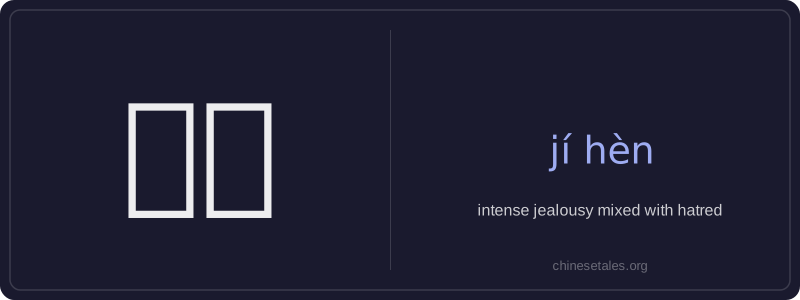
嫉恨 (jí hèn) is a compound noun expressing a powerful, toxic blend of jealousy and hatred — not just envy over someone’s advantages, but a deep-seated resentment that may fuel ill will or desire for their downfall. The first character 嫉 (jí) means 'to be jealous' — often of another’s success, beauty, or status — while 恨 (hèn) conveys 'bitter hatred' or 'deep grudge', stronger than mere dislike. Together, they form a word with moral weight, implying emotional intensity and potential malice.
This term appears in literature, psychological discussions, and serious commentary on interpersonal conflict. It’s rarely used lightly or humorously; instead, it signals genuine emotional danger — such as when rivalry curdles into spite, or when perceived injustice hardens into vengefulness. Unlike simpler words like 嫉妒 (jí dù), 嫉恨 suggests an escalation: the jealousy has taken root and fused with hostility, often over time or after repeated slights.
Example Sentences
Related Words
国语
‘Guó yǔ’ literally means 'national language'—
无论谁
‘无论谁’ (wú lùn shéi) is a pronoun meaning
外语
‘外语’ literally means ‘outside language’ —
不对
不对 (bù duì) literally combines 不 (bù), meani
我的
我的 (wǒ de) is a possessive pronoun meaning 'my'
违规
违规 (wéi guī) literally means 'to violate rules
亲笔
‘亲笔’ literally means ‘one’s own hand’—comb
面条
‘面条’ (miàn tiáo) literally means ‘flour str