Word Explanation
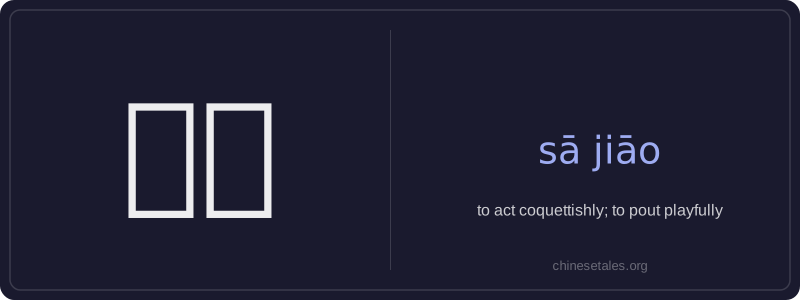
撒娇 (sā jiāo) is a verb describing the act of behaving in a deliberately cute, childlike, or coquettish way to elicit affection, attention, or indulgence—often from someone close, like a parent, romantic partner, or friend. The character 撒 (sā) conveys the idea of 'letting loose' or 'releasing' (as in scattering), while 娇 (jiāo) means 'delicate,' 'spoiled,' or 'coquettish.' Together, they evoke the image of 'releasing one’s delicate, vulnerable side'—not out of genuine distress, but as a playful, affectionate strategy.
This behavior typically includes pouting, whining softly, clinging, using baby talk, or exaggerated helplessness—but always with warmth and intimacy. It’s culturally accepted and even cherished in Chinese relationships when used appropriately, signaling trust and closeness. However, it’s generally reserved for private or familiar settings; doing so with strangers or superiors would seem unprofessional or immature.
Example Sentences
Related Words
国语
‘Guó yǔ’ literally means 'national language'—
无论谁
‘无论谁’ (wú lùn shéi) is a pronoun meaning
外语
‘外语’ literally means ‘outside language’ —
我的
我的 (wǒ de) is a possessive pronoun meaning 'my'
不对
不对 (bù duì) literally combines 不 (bù), meani
违规
违规 (wéi guī) literally means 'to violate rules
亲笔
‘亲笔’ literally means ‘one’s own hand’—comb
面条
‘面条’ (miàn tiáo) literally means ‘flour str