Word Explanation
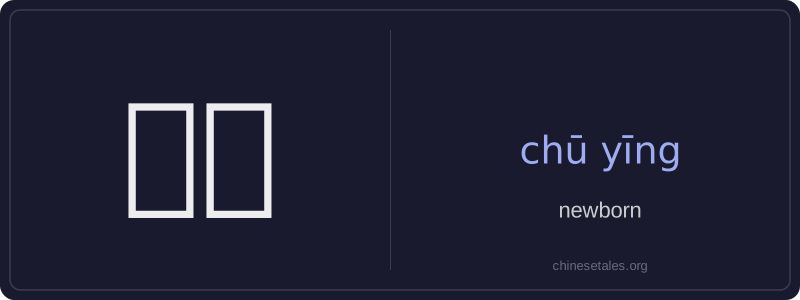
‘初婴’ literally means ‘first infant’ — ‘初’ (chū) conveys ‘initial,’ ‘very first,’ or ‘at the beginning,’ while ‘婴’ (yīng) means ‘infant’ or ‘baby.’ Together, they form a formal, literary term for a newborn, especially emphasizing the earliest stage of life — typically within the first 28 days after birth. Unlike the more common and neutral word ‘新生儿’ (xīn shēng ér), ‘初婴’ carries a slightly poetic or medical-document tone, often appearing in clinical guidelines, maternal health literature, or traditional texts discussing infant development.
This compound is rarely used in everyday conversation; native speakers usually say ‘新生儿’ or simply ‘宝宝’ (bǎo bǎo) when speaking informally. ‘初婴’ may also appear in official reports, public health campaigns, or academic writing to stress the vulnerability and developmental uniqueness of the immediate postnatal period. Its usage reflects precision and formality rather than colloquial warmth.
Example Sentences
Related Words
国语
‘Guó yǔ’ literally means 'national language'—
无论谁
‘无论谁’ (wú lùn shéi) is a pronoun meaning
外语
‘外语’ literally means ‘outside language’ —
我的
我的 (wǒ de) is a possessive pronoun meaning 'my'
不对
不对 (bù duì) literally combines 不 (bù), meani
违规
违规 (wéi guī) literally means 'to violate rules
亲笔
‘亲笔’ literally means ‘one’s own hand’—comb
面条
‘面条’ (miàn tiáo) literally means ‘flour str