Word Explanation
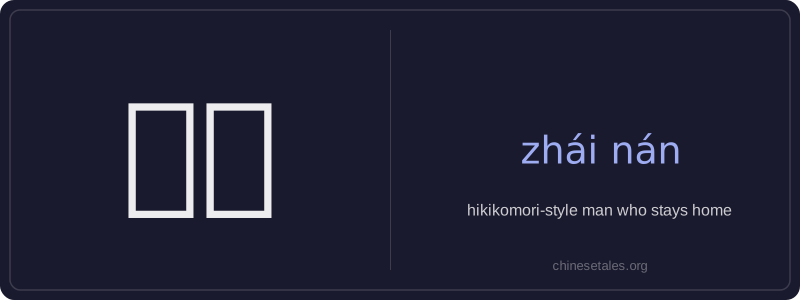
‘宅男’ (zhái nán) literally combines 宅 (zhái), meaning ‘home’ or ‘to stay indoors,’ and 男 (nán), meaning ‘man.’ It refers to a man who prefers to spend most of his time at home—often immersed in hobbies like gaming, anime, or online communities—avoiding social interaction outside the household. While not inherently clinical, the term overlaps culturally with the Japanese concept of ‘hikikomori,’ though it’s used more casually in Chinese and doesn’t always imply severe withdrawal or mental health issues.
In everyday usage, ‘宅男’ carries mild connotations of introversion, tech-savviness, and low social visibility—but can be neutral, affectionate, or teasing depending on context. It’s common in internet slang, media, and light-hearted conversations among peers, especially when describing lifestyle choices rather than diagnosing behavior. Unlike formal terms for social anxiety, it emphasizes habit and preference over pathology.
Example Sentences
Related Words
国语
‘Guó yǔ’ literally means 'national language'—
无论谁
‘无论谁’ (wú lùn shéi) is a pronoun meaning
外语
‘外语’ literally means ‘outside language’ —
我的
我的 (wǒ de) is a possessive pronoun meaning 'my'
不对
不对 (bù duì) literally combines 不 (bù), meani
违规
违规 (wéi guī) literally means 'to violate rules
亲笔
‘亲笔’ literally means ‘one’s own hand’—comb
面条
‘面条’ (miàn tiáo) literally means ‘flour str