Word Explanation
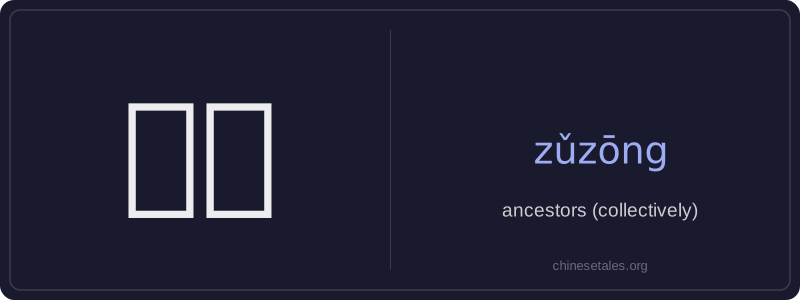
‘祖宗’ (zǔzōng) is a collective noun meaning ‘ancestors’ — referring to all generations of one’s forebears, especially in a reverent or cultural context. The character 祖 (zǔ) means ‘grandfather’ or ‘founder’, often emphasizing the earliest paternal ancestor; 宗 (zōng) means ‘clan’, ‘lineage’, or ‘venerated origin’, reinforcing the idea of shared descent and ritual importance. Together, they form a compound that evokes deep-rooted familial continuity, not just biological lineage but also cultural heritage and moral legacy.
This term appears frequently in traditional customs, such as ancestral worship during Qingming Festival or Mid-Autumn celebrations, and in idioms like ‘不肖子孙’ (bùxiào zǐsūn — ‘unworthy descendants’). It carries respectful, formal, and sometimes solemn connotations — rarely used casually or humorously. While it can technically include maternal ancestors, in practice it most commonly reflects patrilineal tradition and Confucian values of filial piety and remembrance.
Example Sentences
Related Words
国语
‘Guó yǔ’ literally means 'national language'—
无论谁
‘无论谁’ (wú lùn shéi) is a pronoun meaning
外语
‘外语’ literally means ‘outside language’ —
我的
我的 (wǒ de) is a possessive pronoun meaning 'my'
不对
不对 (bù duì) literally combines 不 (bù), meani
违规
违规 (wéi guī) literally means 'to violate rules
亲笔
‘亲笔’ literally means ‘one’s own hand’—comb
面条
‘面条’ (miàn tiáo) literally means ‘flour str