Word Explanation
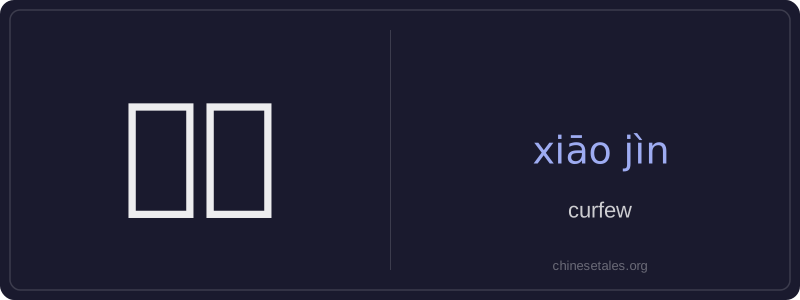
宵禁 (xiāo jìn) literally combines 宵 (xiāo), meaning 'night' or 'evening', and 禁 (jìn), meaning 'prohibition' or 'ban'. Together, they form the compound noun 'curfew' — a government-imposed restriction on movement during specified nighttime hours. Historically used in wartime or emergencies, it remains relevant today in contexts like public health crises, civil unrest, or military operations.
The term carries formal, official connotations and appears primarily in news reports, legal documents, or official announcements. It is not used for personal, informal restrictions (e.g., parents telling children to stay home at night). While 宵 refers specifically to the late evening or night hours (roughly after dusk until dawn), 禁 signals an authoritative, legally backed prohibition — distinguishing it from milder terms like 'bedtime' or 'quiet hours'. It implies enforcement and potential consequences for violation.
Example Sentences
Related Words
国语
‘Guó yǔ’ literally means 'national language'—
无论谁
‘无论谁’ (wú lùn shéi) is a pronoun meaning
外语
‘外语’ literally means ‘outside language’ —
我的
我的 (wǒ de) is a possessive pronoun meaning 'my'
不对
不对 (bù duì) literally combines 不 (bù), meani
违规
违规 (wéi guī) literally means 'to violate rules
亲笔
‘亲笔’ literally means ‘one’s own hand’—comb
面条
‘面条’ (miàn tiáo) literally means ‘flour str