Word Explanation
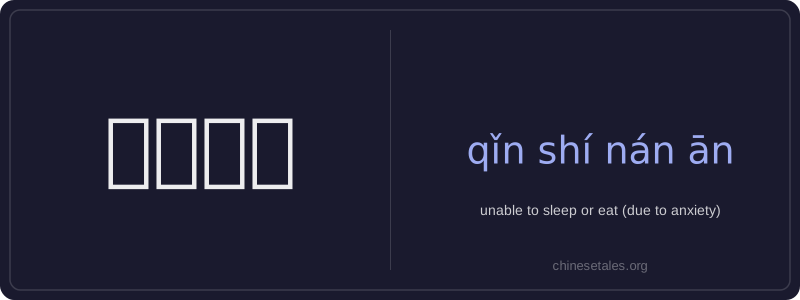
‘寝食难安’ literally means ‘unable to sleep or eat,’ and it vividly describes a state of deep anxiety, worry, or distress that physically disrupts basic daily functions. The four characters combine two essential life activities — 寝 (sleep) and 食 (eat) — with 难 (difficult) and 安 (to be at ease), forming an idiom that emphasizes how profoundly emotional turmoil can affect the body. It’s not about physical illness but rather psychological strain so intense that rest and nourishment become impossible.
This idiom is commonly used in formal or literary contexts — such as essays, news reports, or serious conversations — to convey grave concern over matters like family crises, professional failures, moral dilemmas, or national events. It carries strong emotional weight and is rarely used lightly or humorously; it implies sustained, heavy mental burden rather than fleeting stress.
Example Sentences
Related Words
国语
‘Guó yǔ’ literally means 'national language'—
无论谁
‘无论谁’ (wú lùn shéi) is a pronoun meaning
外语
‘外语’ literally means ‘outside language’ —
我的
我的 (wǒ de) is a possessive pronoun meaning 'my'
不对
不对 (bù duì) literally combines 不 (bù), meani
违规
违规 (wéi guī) literally means 'to violate rules
亲笔
‘亲笔’ literally means ‘one’s own hand’—comb
面条
‘面条’ (miàn tiáo) literally means ‘flour str