Word Explanation
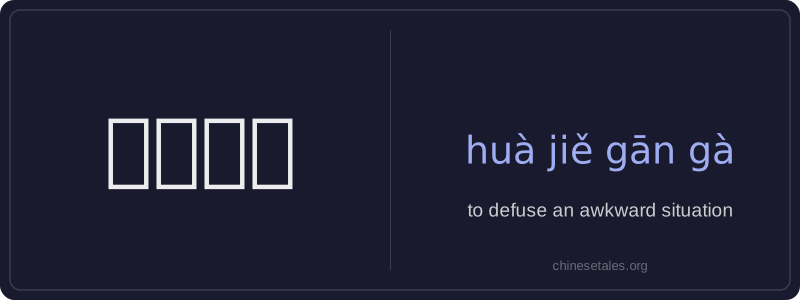
化解尴尬 literally means 'to transform and untie awkwardness' — combining 化 (to transform, change) and 解 (to untie, resolve), with 尴尬 meaning 'awkwardness' or 'embarrassment'. It describes the active, skillful process of easing tension or discomfort in a socially delicate moment, often through humor, redirection, empathy, or graceful acknowledgment. Unlike passive reactions like ignoring or fleeing, 化解尴尬 implies intentional, socially intelligent intervention.
This phrase is commonly used in interpersonal contexts — workplace meetings, family gatherings, public speaking, or first dates — where missteps, silences, cultural misunderstandings, or unintended offense create unease. It emphasizes restoration of harmony and face-saving for all parties, reflecting core Chinese values of relational harmony (hé) and respect. While it can be done by anyone, it’s especially admired when leaders, hosts, or elders take this role.
Example Sentences
Related Words
国语
‘Guó yǔ’ literally means 'national language'—
无论谁
‘无论谁’ (wú lùn shéi) is a pronoun meaning
外语
‘外语’ literally means ‘outside language’ —
我的
我的 (wǒ de) is a possessive pronoun meaning 'my'
不对
不对 (bù duì) literally combines 不 (bù), meani
违规
违规 (wéi guī) literally means 'to violate rules
亲笔
‘亲笔’ literally means ‘one’s own hand’—comb
面条
‘面条’ (miàn tiáo) literally means ‘flour str