Word Explanation
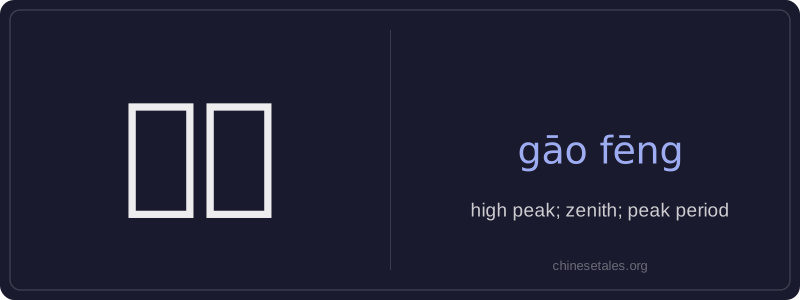
高峰 literally means 'high peak'—combining 高 (gāo, 'high/tall') and 峰 (fēng, 'peak/mountain summit'). While it can refer to a physical mountain peak, it is far more commonly used metaphorically to mean the 'zenith' or 'peak period' of something—such as the busiest time of day, the highest point of activity, demand, or achievement. It often appears in contexts like traffic, electricity usage, tourism seasons, or career milestones.
This word carries a neutral-to-positive connotation and is widely used in both formal reports and everyday speech. Unlike words such as 鼎盛 (dǐngshèng, 'prime/heyday'), which emphasizes flourishing cultural or historical eras, 高峰 focuses on intensity, volume, or timing—especially measurable peaks like rush hour or data spikes. It’s frequently paired with time-related nouns (e.g., 高峰期, gāofēng qī, 'peak period') or verbs indicating occurrence (e.g., 出现高峰, chūxiàn gāofēng, 'a peak occurs').
Example Sentences
Related Words
国语
‘Guó yǔ’ literally means 'national language'—
无论谁
‘无论谁’ (wú lùn shéi) is a pronoun meaning
外语
‘外语’ literally means ‘outside language’ —
我的
我的 (wǒ de) is a possessive pronoun meaning 'my'
不对
不对 (bù duì) literally combines 不 (bù), meani
违规
违规 (wéi guī) literally means 'to violate rules
亲笔
‘亲笔’ literally means ‘one’s own hand’—comb
面条
‘面条’ (miàn tiáo) literally means ‘flour str