Word Explanation
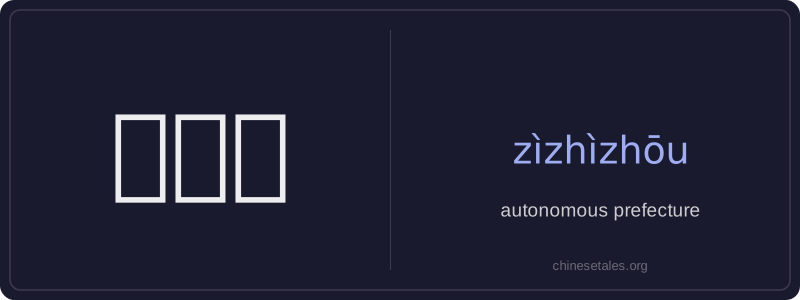
An autonomous prefecture (zìzhìzhōu) is a second-level administrative division in China, established under the People’s Republic Constitution to grant ethnic minorities regional autonomy. It combines three characters: 自 (zì, 'self'), 治 (zhì, 'govern' or 'administer'), and 州 (zhōu, an ancient term for 'prefecture' or 'administrative region'). Together, they literally mean 'self-governing prefecture', reflecting its constitutional mandate to manage local affairs—including language, education, and culture—while remaining under the unified leadership of the central government.
There are currently 30 autonomous prefectures in China, mostly located in ethnically diverse western and southwestern regions such as Yunnan, Sichuan, Gansu, and Xinjiang. They differ from regular prefectures by having their own autonomous regulations and the right to adapt national laws to local conditions. Autonomous prefectures are not sovereign entities; they operate within China’s unitary state structure and report to provincial governments.
Example Sentences
Related Words
国语
‘Guó yǔ’ literally means 'national language'—
无论谁
‘无论谁’ (wú lùn shéi) is a pronoun meaning
外语
‘外语’ literally means ‘outside language’ —
我的
我的 (wǒ de) is a possessive pronoun meaning 'my'
不对
不对 (bù duì) literally combines 不 (bù), meani
违规
违规 (wéi guī) literally means 'to violate rules
亲笔
‘亲笔’ literally means ‘one’s own hand’—comb
面条
‘面条’ (miàn tiáo) literally means ‘flour str