Word Explanation
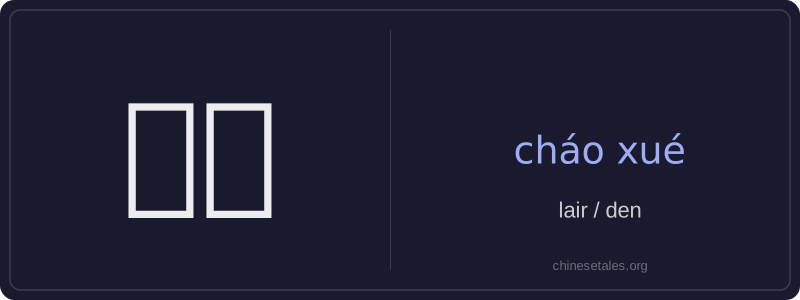
巢穴 (cháo xué) literally combines 巢 (cháo), meaning 'nest' — typically for birds — and 穴 (xué), meaning 'cave' or 'hole' — often used for burrowing animals. Together, they form a compound noun meaning 'lair' or 'den': a hidden, sheltered place where an animal lives, rests, or raises young. It carries a slightly literary or formal tone and is commonly used in descriptive writing, wildlife documentaries, and stories involving wild or dangerous animals like wolves, foxes, or tigers.
The term emphasizes secrecy, natural concealment, and sometimes danger or menace — for example, a criminal's hideout may metaphorically be called a 巢穴 to suggest it’s hidden and threatening. Unlike the more neutral 窝 (wō), which can mean 'nest' or 'litter' (e.g., of puppies), 巢穴 implies greater permanence, wildness, and isolation. It is rarely used for human dwellings unless in figurative or critical contexts.
Example Sentences
Related Words
国语
‘Guó yǔ’ literally means 'national language'—
无论谁
‘无论谁’ (wú lùn shéi) is a pronoun meaning
不对
不对 (bù duì) literally combines 不 (bù), meani
外语
‘外语’ literally means ‘outside language’ —
我的
我的 (wǒ de) is a possessive pronoun meaning 'my'
违规
违规 (wéi guī) literally means 'to violate rules
亲笔
‘亲笔’ literally means ‘one’s own hand’—comb
面条
‘面条’ (miàn tiáo) literally means ‘flour str