Word Explanation
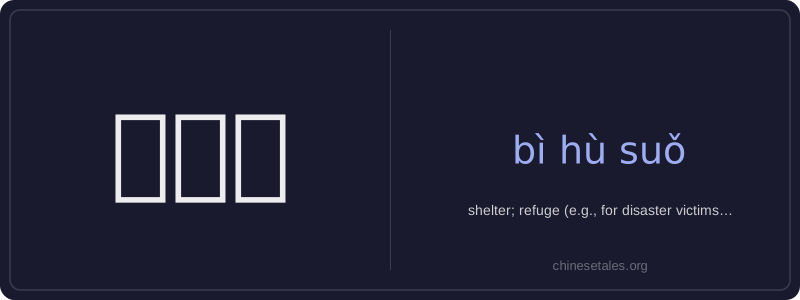
‘庇护所’ literally combines ‘庇’ (to shelter or protect), ‘护’ (to guard or defend), and ‘所’ (a place or facility), forming a compound noun meaning a physical location that provides safety, protection, and basic necessities during emergencies. It emphasizes institutional or organized refuge—often run by governments, NGOs, or humanitarian organizations—rather than informal or temporary hiding places.
This term is commonly used in contexts involving natural disasters (e.g., earthquakes, floods), armed conflict, or forced displacement. Unlike the more general ‘避难所’ (which can imply any emergency shelter), ‘庇护所’ carries a stronger connotation of sustained care, legal protection, and social support—especially for vulnerable groups like refugees, domestic violence survivors, or homeless youth. It appears frequently in news reports, policy documents, and humanitarian appeals.
Example Sentences
Related Words
国语
‘Guó yǔ’ literally means 'national language'—
无论谁
‘无论谁’ (wú lùn shéi) is a pronoun meaning
不对
不对 (bù duì) literally combines 不 (bù), meani
外语
‘外语’ literally means ‘outside language’ —
我的
我的 (wǒ de) is a possessive pronoun meaning 'my'
违规
违规 (wéi guī) literally means 'to violate rules
亲笔
‘亲笔’ literally means ‘one’s own hand’—comb
面条
‘面条’ (miàn tiáo) literally means ‘flour str