Word Explanation
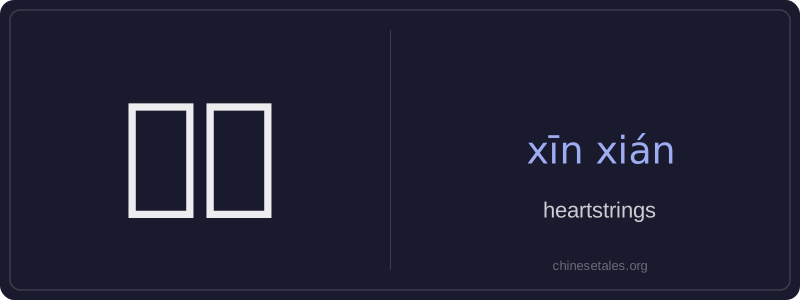
‘心弦’ literally combines 心 (xīn, 'heart') and 弦 (xián, 'string' — as on a musical instrument). It is a poetic, metaphorical noun meaning 'heartstrings', referring to the deepest, most sensitive emotional core of a person — the part that responds strongly to beauty, love, sorrow, or inspiration. Unlike literal anatomy, it evokes vulnerability and resonance: just as plucking a string produces sound, touching someone’s 'heartstrings' stirs deep feeling.
This term appears frequently in literature, song lyrics, speeches, and formal or expressive writing — rarely in casual daily speech. It often appears in verb phrases like ‘拨动心弦’ (bō dòng xīn xián, 'to stir/touch the heartstrings') or ‘触动心弦’ (chù dòng xīn xián, 'to move deeply'). While rooted in classical imagery, it remains vivid and widely understood in modern Chinese, especially when describing emotional impact that is gentle yet profound.
Example Sentences
Related Words
国语
‘Guó yǔ’ literally means 'national language'—
无论谁
‘无论谁’ (wú lùn shéi) is a pronoun meaning
不对
不对 (bù duì) literally combines 不 (bù), meani
外语
‘外语’ literally means ‘outside language’ —
我的
我的 (wǒ de) is a possessive pronoun meaning 'my'
亲笔
‘亲笔’ literally means ‘one’s own hand’—comb
违规
违规 (wéi guī) literally means 'to violate rules
面条
‘面条’ (miàn tiáo) literally means ‘flour str