Word Explanation
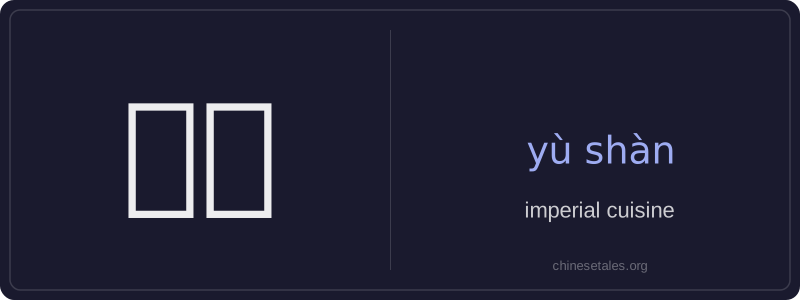
‘御膳’ literally combines ‘御’ (yù), meaning ‘imperial’ or ‘pertaining to the emperor’, and ‘膳’ (shàn), meaning ‘meal’ or ‘cuisine’. Together, it refers specifically to the food prepared for Chinese emperors and their immediate royal family during imperial times. These meals were renowned for their exceptional quality, elaborate preparation, strict seasonal and regional sourcing, and symbolic presentation — often reflecting Confucian principles of harmony, hierarchy, and auspiciousness.
Historically, the Imperial Kitchen (御膳房) employed dozens of chefs and nutritionists who followed meticulous protocols, including food tasting by eunuchs before serving. Today, ‘御膳’ is used mostly in historical contexts, cultural exhibitions, themed restaurants, or literary descriptions — evoking prestige, refinement, and dynastic tradition. It carries strong connotations of exclusivity and ceremonial importance, not everyday dining.
Example Sentences
Related Words
国语
‘Guó yǔ’ literally means 'national language'—
无论谁
‘无论谁’ (wú lùn shéi) is a pronoun meaning
不对
不对 (bù duì) literally combines 不 (bù), meani
外语
‘外语’ literally means ‘outside language’ —
我的
我的 (wǒ de) is a possessive pronoun meaning 'my'
亲笔
‘亲笔’ literally means ‘one’s own hand’—comb
违规
违规 (wéi guī) literally means 'to violate rules
面条
‘面条’ (miàn tiáo) literally means ‘flour str