Word Explanation
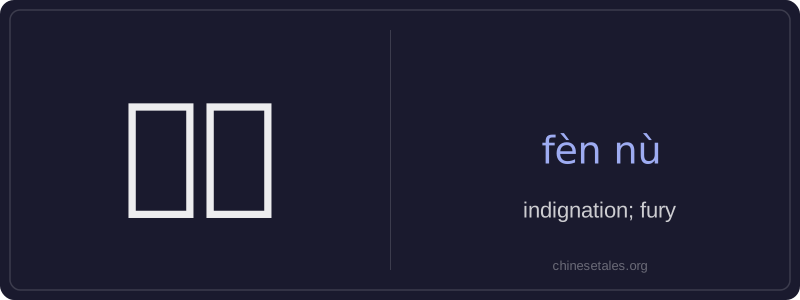
愤怒 is a compound noun meaning 'indignation' or 'fury' — a strong, morally charged anger triggered by injustice, unfairness, or violation of one’s values. The first character 愤 (fèn) conveys deep-seated resentment or righteous indignation, often simmering beneath the surface; the second character 怒 (nù) signifies open, intense anger or rage. Together, they emphasize anger that is both emotionally powerful and ethically motivated — not mere irritation or frustration, but a response to perceived wrongdoing.
This word is commonly used in formal writing, news reports, speeches, and serious discussions about social issues, corruption, or human rights violations. It carries weight and gravity: you might feel 愤怒 when reading about exploitation, witnessing discrimination, or learning of government abuse. Unlike casual words like 生气 (shēngqì), 愤怒 implies moral conviction and often fuels collective action or protest. It rarely appears in light-hearted or everyday conversational contexts.
Example Sentences
Related Words
国语
‘Guó yǔ’ literally means 'national language'—
无论谁
‘无论谁’ (wú lùn shéi) is a pronoun meaning
不对
不对 (bù duì) literally combines 不 (bù), meani
外语
‘外语’ literally means ‘outside language’ —
我的
我的 (wǒ de) is a possessive pronoun meaning 'my'
亲笔
‘亲笔’ literally means ‘one’s own hand’—comb
违规
违规 (wéi guī) literally means 'to violate rules
面条
‘面条’ (miàn tiáo) literally means ‘flour str