Word Explanation
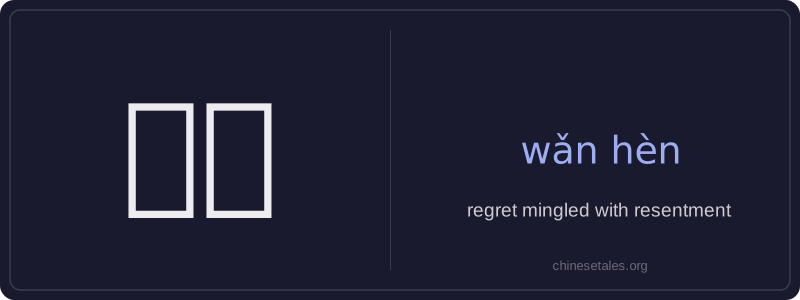
‘惋恨’ is a literary noun expressing a complex emotional state: deep regret combined with resentment or bitterness, often toward an irreversible loss, injustice, or missed opportunity. The first character 惋 (wǎn) conveys sorrowful pity or lamentation—like sighing over something tragic yet unavoidable; the second character 恨 (hèn) adds a sharper edge of grudge, indignation, or enduring displeasure. Together, they describe not simple sadness but a poignant, morally charged sorrow tinged with anger at fate, circumstances, or others’ actions.
This word appears mainly in formal writing, historical narratives, literary criticism, or solemn speeches—not in casual conversation. It frequently describes reactions to untimely death, wasted talent, betrayed loyalty, or societal failures. Because it carries moral weight and refined diction, ‘惋恨’ signals both empathy and judgment, making it especially common when reflecting on figures whose potential was cut short or whose integrity was punished.
Example Sentences
Related Words
国语
‘Guó yǔ’ literally means 'national language'—
无论谁
‘无论谁’ (wú lùn shéi) is a pronoun meaning
不对
不对 (bù duì) literally combines 不 (bù), meani
外语
‘外语’ literally means ‘outside language’ —
违规
违规 (wéi guī) literally means 'to violate rules
我的
我的 (wǒ de) is a possessive pronoun meaning 'my'
亲笔
‘亲笔’ literally means ‘one’s own hand’—comb
面条
‘面条’ (miàn tiáo) literally means ‘flour str