Word Explanation
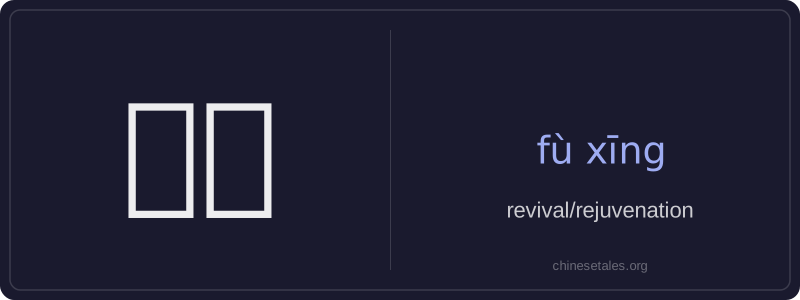
复兴 (fù xīng) literally combines 复 (fù), meaning 'again' or 'return', and 兴 (xīng), meaning 'to rise', 'to flourish', or 'prosper'. Together, they convey the idea of something regaining strength, vitality, or prominence after a period of decline or dormancy. It emphasizes a conscious, often collective effort toward renewal — not just spontaneous recovery, but intentional restoration.
This word is commonly used in formal or historical contexts: national revival (e.g., the Chinese Dream of national rejuvenation), cultural revival (e.g., reviving traditional crafts or festivals), urban renewal (e.g., revitalizing old districts), or ecological restoration (e.g., bringing back endangered species habitats). While it can apply to individuals or institutions, it most frequently describes large-scale, socially significant recoveries — especially those tied to identity, heritage, or long-term progress.
Example Sentences
Related Words
见面
见面 literally means 'see face' — combining 见 (t
后来
Later (hòulái) is an adverb meaning 'afterwards'
背后
背后 literally means 'back + behind' and functions
我的
我的 (wǒ de) is a possessive pronoun meaning 'my'
这么
这么 (zhè me) is an adverb meaning 'so' or 'this
中学
'Zhōngxué' literally combines 'zhōng' (middle)
前面
前面 (qián miàn) literally combines 前 (qián, '
面条
‘面条’ (miàn tiáo) literally means ‘flour str