Word Explanation
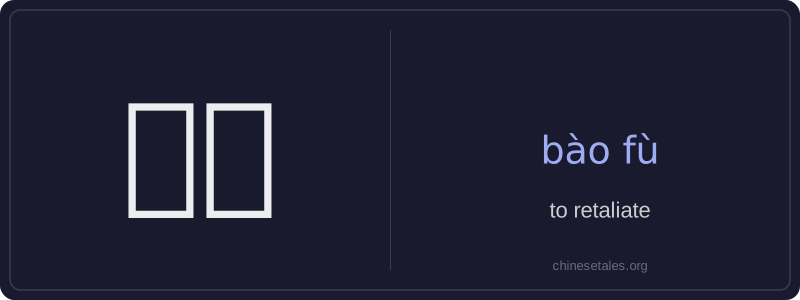
报复 means 'to retaliate' or 'to get revenge' — an intentional act of harming someone in response to a perceived wrong. The character 报 (bào) carries meanings like 'to report', 'to repay', or 'to respond', while 复 (fù) means 'to repeat', 'to return', or 'to restore'. Together, they suggest a forceful, often emotional, 'returning' of harm — not neutral repayment, but a deliberate, usually negative, reaction. It implies symmetry: harm given back in kind, often escalating conflict.
This word is strongly associated with anger, injustice, and personal grievance. It commonly appears in discussions of interpersonal conflict, legal ethics, psychology, and moral philosophy. While sometimes used literally (e.g., physical retaliation), it’s also frequent in figurative contexts like workplace rivalry or online disputes. Unlike neutral terms like 回应 (to respond), 报复 carries clear negative moral weight and implies intentionality and hostility.
Example Sentences
Related Words
见面
见面 literally means 'see face' — combining 见 (t
背后
背后 literally means 'back + behind' and functions
中学
'Zhōngxué' literally combines 'zhōng' (middle)
面条
‘面条’ (miàn tiáo) literally means ‘flour str
后来
Later (hòulái) is an adverb meaning 'afterwards'
我的
我的 (wǒ de) is a possessive pronoun meaning 'my'
这么
这么 (zhè me) is an adverb meaning 'so' or 'this
前面
前面 (qián miàn) literally combines 前 (qián, '