Word Explanation
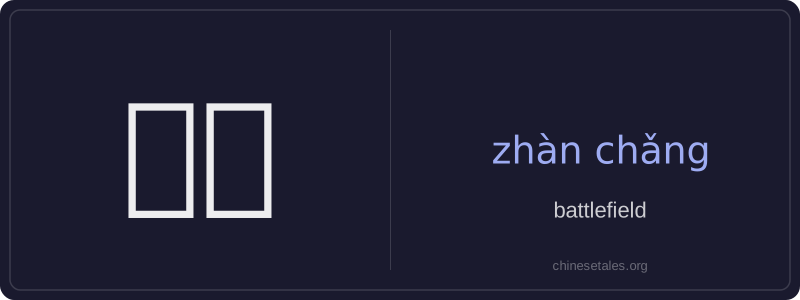
战场 (zhàn chǎng) literally combines 战 (zhàn), meaning 'to fight' or 'war', and 场 (chǎng), meaning 'place', 'site', or 'field'. Together, they form a compound noun meaning 'battlefield' — the physical location where armed combat occurs. It is used both literally (e.g., historical or military contexts) and figuratively (e.g., intense competition or conflict in business, politics, or debate).
The word carries strong connotations of danger, confrontation, and high stakes. While it can appear in formal writing, news reports, and literature, it’s rarely used in casual daily speech unless discussing history, strategy games, or metaphorical struggles. Unlike more neutral terms like 地点 (dìdiǎn, 'location'), 战场 emphasizes active, often violent, engagement — making it emotionally charged and context-sensitive.
Example Sentences
Related Words
见面
见面 literally means 'see face' — combining 见 (t
背后
背后 literally means 'back + behind' and functions
中学
'Zhōngxué' literally combines 'zhōng' (middle)
面条
‘面条’ (miàn tiáo) literally means ‘flour str
后来
Later (hòulái) is an adverb meaning 'afterwards'
我的
我的 (wǒ de) is a possessive pronoun meaning 'my'
这么
这么 (zhè me) is an adverb meaning 'so' or 'this
前面
前面 (qián miàn) literally combines 前 (qián, '