Word Explanation
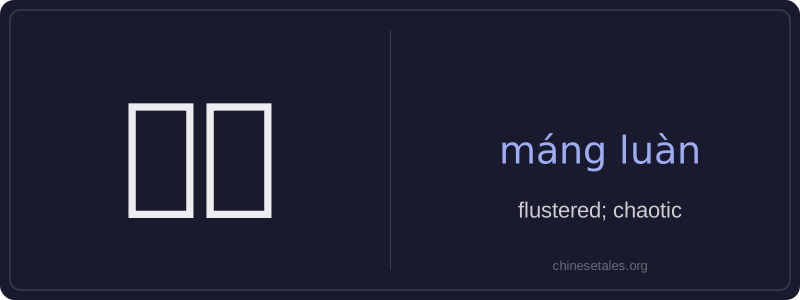
忙乱 (máng luàn) is an adjective describing a state of being both extremely busy and disordered—like when tasks pile up, time feels short, and things slip out of control. The first character 忙 means 'busy' or 'rushed', while 乱 means 'chaotic', 'disordered', or 'in confusion'. Together, they emphasize not just activity but the emotional and practical turmoil that comes with it: scattered attention, forgotten items, raised voices, or rushed decisions.
This word often describes temporary situations—such as preparing for an unexpected guest, managing multiple deadlines, or handling an emergency at home or work. It carries a slightly negative, empathetic tone, implying stress and inefficiency rather than simple busyness. Native speakers use it to convey overwhelm in everyday storytelling, self-reflection, or gentle criticism ('Don’t get so 忙乱—let’s take it step by step'). It’s common in spoken Mandarin and informal writing, but rarely used in formal reports or academic contexts.
Example Sentences
Related Words
见面
见面 literally means 'see face' — combining 见 (t
背后
背后 literally means 'back + behind' and functions
中学
'Zhōngxué' literally combines 'zhōng' (middle)
面条
‘面条’ (miàn tiáo) literally means ‘flour str
后来
Later (hòulái) is an adverb meaning 'afterwards'
我的
我的 (wǒ de) is a possessive pronoun meaning 'my'
这么
这么 (zhè me) is an adverb meaning 'so' or 'this
前面
前面 (qián miàn) literally combines 前 (qián, '