Word Explanation
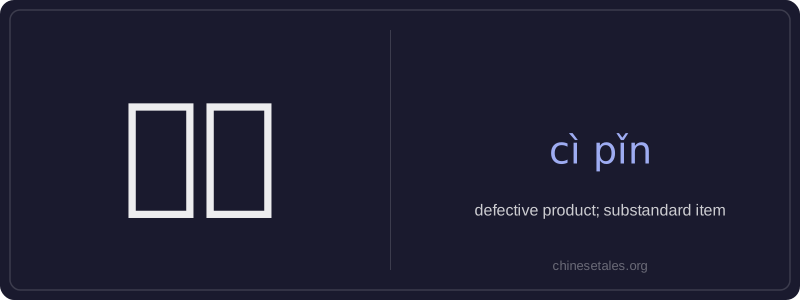
次品 (cì pǐn) literally combines 次 (cì), meaning 'inferior' or 'substandard', and 品 (pǐn), meaning 'item', 'product', or 'article'. Together, it refers specifically to a manufactured or processed item that fails to meet quality standards — for example, due to flaws in design, materials, or production. It is commonly used in industrial, commercial, and consumer contexts, such as factory inspections, product recalls, or customer service complaints.
Unlike general terms like 坏东西 ('broken thing') or 废品 ('waste/scrap'), 次品 implies the item was intended for use but fell short of specifications — it may still function partially or look nearly normal. It carries a neutral-to-negative connotation, depending on context: in quality control reports, it’s a technical term; in marketing, calling something a 次品 is strongly critical. The word is rarely used for natural objects or living things — it applies almost exclusively to human-made goods.
Example Sentences
Related Words
见面
见面 literally means 'see face' — combining 见 (t
背后
背后 literally means 'back + behind' and functions
我的
我的 (wǒ de) is a possessive pronoun meaning 'my'
中学
'Zhōngxué' literally combines 'zhōng' (middle)
面条
‘面条’ (miàn tiáo) literally means ‘flour str
后来
Later (hòulái) is an adverb meaning 'afterwards'
在家
'Zài jiā' literally combines the preposition 'z
不对
不对 (bù duì) literally combines 不 (bù), meani