Word Explanation
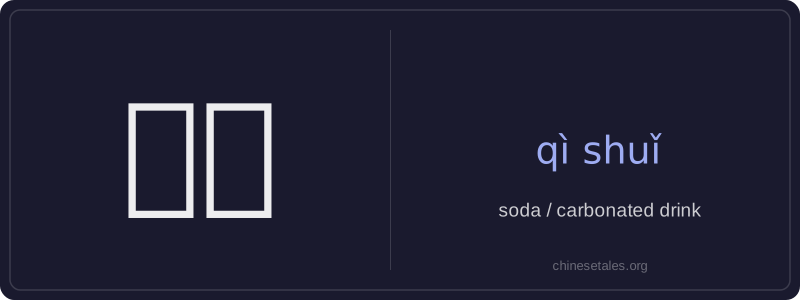
汽水 (qì shuǐ) literally means 'vapor water' — 汽 (qì) refers to gas or vapor, and 水 (shuǐ) means water. Together, they describe carbonated beverages like cola, lemon-lime soda, or ginger ale, where dissolved carbon dioxide creates fizz and bubbles. Unlike plain water or tea, 汽水 is sweetened, flavored, and effervescent, making it a popular casual drink in China, especially in hot weather or at restaurants and convenience stores.
This term is neutral and widely understood across all Chinese-speaking regions. It’s more common in everyday speech than formal alternatives like 碳酸饮料 (tàn suān yǐn liào, 'carbonic acid beverage'). While some brands may be imported, the word itself carries no cultural or regional bias — it simply denotes any non-alcoholic, bubbly soft drink. Note that it does not include sparkling mineral water unless artificially carbonated and sweetened.
Example Sentences
Related Words
见面
见面 literally means 'see face' — combining 见 (t
背后
背后 literally means 'back + behind' and functions
我的
我的 (wǒ de) is a possessive pronoun meaning 'my'
中学
'Zhōngxué' literally combines 'zhōng' (middle)
面条
‘面条’ (miàn tiáo) literally means ‘flour str
后来
Later (hòulái) is an adverb meaning 'afterwards'
在家
'Zài jiā' literally combines the preposition 'z
不对
不对 (bù duì) literally combines 不 (bù), meani