Word Explanation
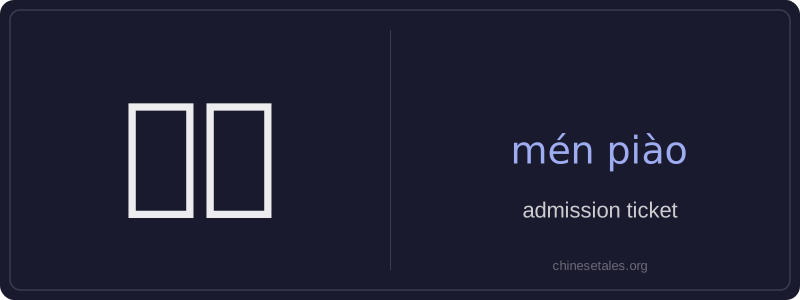
门票 literally means 'gate ticket'—'门' (mén) means 'gate' or 'entrance', and '票' (piào) means 'ticket'. Together, they refer to an official document or digital pass granting entry to a venue such as a museum, zoo, theme park, theater, or historical site. It’s a compound noun formed by combining two concrete nouns, where the first character specifies the function (entry access) and the second specifies the object type (a ticket).
This word is used almost exclusively in formal or transactional contexts involving paid or authorized admission. You’ll see it on signs, websites, ticket kiosks, and receipts. While some venues now use QR codes or electronic passes, the term 门票 remains standard—even for digital admissions. It does not refer to transportation tickets (e.g., train or bus tickets), which use different terms like 车票.
Example Sentences
Related Words
见面
见面 literally means 'see face' — combining 见 (t
背后
背后 literally means 'back + behind' and functions
我的
我的 (wǒ de) is a possessive pronoun meaning 'my'
中学
'Zhōngxué' literally combines 'zhōng' (middle)
面条
‘面条’ (miàn tiáo) literally means ‘flour str
后来
Later (hòulái) is an adverb meaning 'afterwards'
在家
'Zài jiā' literally combines the preposition 'z
不对
不对 (bù duì) literally combines 不 (bù), meani