Word Explanation
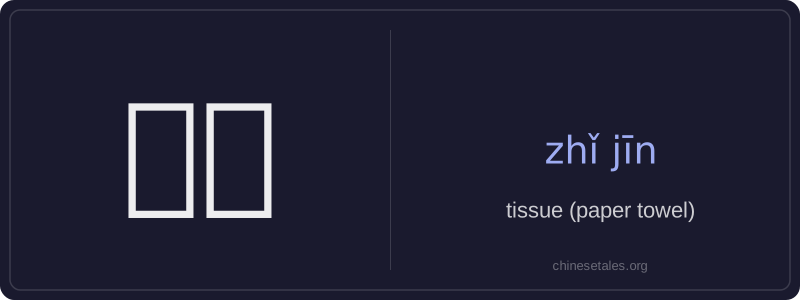
‘纸巾’ (zhǐ jīn) literally means ‘paper cloth’ — combining 纸 (zhǐ), meaning ‘paper’, and 巾 (jīn), meaning ‘cloth’ or ‘towel’. Though it’s made of paper, not fabric, the term reflects its functional similarity to a small, disposable cloth used for wiping. It refers specifically to soft, thin, single-use paper tissues — commonly used for blowing one’s nose, wiping hands or faces, cleaning spills, or personal hygiene.
This word is ubiquitous in daily life across China and other Mandarin-speaking regions. You’ll find 纸巾 in homes, offices, restaurants, restrooms, and hospitals. Unlike the broader English term ‘paper towel’, which often implies thicker, more absorbent sheets for cleaning surfaces, 纸巾 usually refers to facial tissues (like Kleenex) or smaller hand-wiping tissues. In stores, it’s sold in boxes or rolled dispensers, and is considered essential for basic cleanliness and etiquette.
Example Sentences
Related Words
见面
见面 literally means 'see face' — combining 见 (t
背后
背后 literally means 'back + behind' and functions
我的
我的 (wǒ de) is a possessive pronoun meaning 'my'
中学
'Zhōngxué' literally combines 'zhōng' (middle)
面条
‘面条’ (miàn tiáo) literally means ‘flour str
后来
Later (hòulái) is an adverb meaning 'afterwards'
在家
'Zài jiā' literally combines the preposition 'z
不对
不对 (bù duì) literally combines 不 (bù), meani