Word Explanation
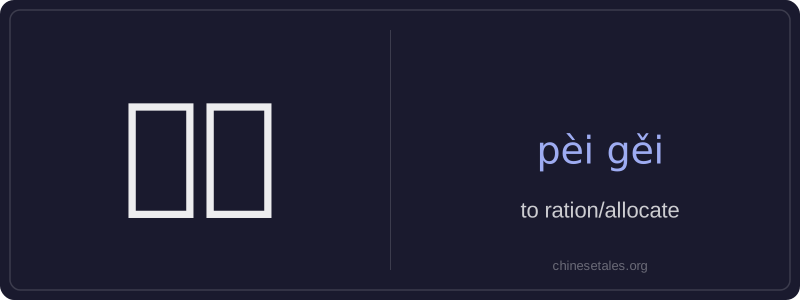
配给 (pèi gěi) is a verb meaning 'to ration' or 'to allocate'—especially in contexts where resources are limited and distributed officially or systematically. The character 配 (pèi) means 'to match', 'to combine', or 'to assign', while 给 (gěi) means 'to give'. Together, they convey the idea of formally assigning or distributing something—often necessities like food, medicine, fuel, or supplies—according to need, policy, or quota. It implies centralized control and fairness in distribution, not casual giving.
This word is commonly used in historical, governmental, or emergency contexts—for example, wartime food rationing, public health supply management, or disaster relief logistics. It carries a formal, institutional tone and is rarely used in everyday personal exchanges. You’ll see it in news reports about pandemic medical supplies, wartime memoirs, or policy documents on resource management—not in conversations about sharing snacks with friends.
Example Sentences
Related Words
见面
见面 literally means 'see face' — combining 见 (t
背后
背后 literally means 'back + behind' and functions
我的
我的 (wǒ de) is a possessive pronoun meaning 'my'
中学
'Zhōngxué' literally combines 'zhōng' (middle)
面条
‘面条’ (miàn tiáo) literally means ‘flour str
后来
Later (hòulái) is an adverb meaning 'afterwards'
在家
'Zài jiā' literally combines the preposition 'z
不对
不对 (bù duì) literally combines 不 (bù), meani