Word Explanation
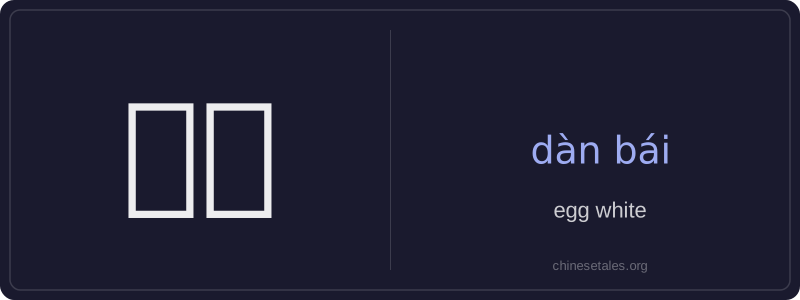
蛋白 literally means 'egg' (蛋) + 'white' (白), and refers specifically to the clear, viscous liquid part of an egg—what English speakers call the egg white or albumen. Unlike the yolk (蛋黄), which is rich in fat and nutrients, the protein-rich albumen is mostly water and high-quality protein, making it a staple in both cooking and nutrition contexts.
In Chinese, 蛋白 is used in everyday food preparation, dietary discussions, and scientific or medical contexts—for example, when talking about protein intake or allergens. It’s also commonly seen on food packaging and nutrition labels. While 蛋白 can occasionally refer more broadly to 'protein' (especially in compound words like 植物蛋白 'plant protein'), its standalone, unmodified use almost always means 'egg white'—a key distinction learners should note to avoid confusion with the general term for protein (蛋白质).
Example Sentences
Related Words
见面
见面 literally means 'see face' — combining 见 (t
背后
背后 literally means 'back + behind' and functions
我的
我的 (wǒ de) is a possessive pronoun meaning 'my'
中学
'Zhōngxué' literally combines 'zhōng' (middle)
面条
‘面条’ (miàn tiáo) literally means ‘flour str
后来
Later (hòulái) is an adverb meaning 'afterwards'
在家
'Zài jiā' literally combines the preposition 'z
不对
不对 (bù duì) literally combines 不 (bù), meani