Word Explanation
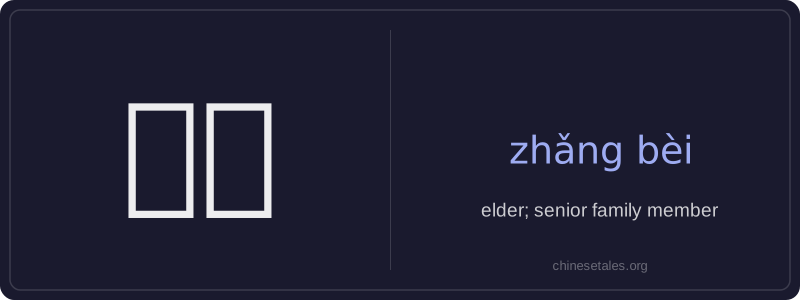
长辈 (zhǎng bèi) literally combines 长 (zhǎng), meaning 'senior' or 'elder', and 辈 (bèi), meaning 'generation' or 'peer group'. Together, they refer to older family members—such as grandparents, parents, aunts, uncles, and elder cousins—who belong to an earlier generation. This term emphasizes respect, hierarchy, and familial duty in Chinese culture, where honoring elders is deeply rooted in Confucian values.
The word is used formally and respectfully—not for strangers or non-relatives—and appears frequently in conversations about family obligations, holiday gatherings, gift-giving, or seeking advice. It’s not limited to blood relatives; sometimes respected older mentors or family friends may also be addressed as 长辈 in certain contexts. Unlike generic terms like 老人 (lǎo rén, 'elderly person'), 长辈 specifically signals kinship-based seniority and carries social weight in speech and behavior.
Example Sentences
Related Words
见面
见面 literally means 'see face' — combining 见 (t
背后
背后 literally means 'back + behind' and functions
我的
我的 (wǒ de) is a possessive pronoun meaning 'my'
中学
'Zhōngxué' literally combines 'zhōng' (middle)
面条
‘面条’ (miàn tiáo) literally means ‘flour str
后来
Later (hòulái) is an adverb meaning 'afterwards'
在家
'Zài jiā' literally combines the preposition 'z
不对
不对 (bù duì) literally combines 不 (bù), meani